Life in Nigeria’s major cities has become significantly more expensive in recent years, and urban households are increasingly feeling the strain. From Lagos and Abuja to Port Harcourt, Ibadan, Benin City, and Onitsha, the cost of everyday living continues to rise, forcing families to rethink how they spend, save, and survive. Inflation, fuel price adjustments, exchange rate pressures, and economic uncertainty have combined to make city life more challenging for the average Nigerian family.
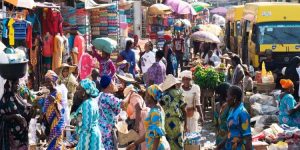
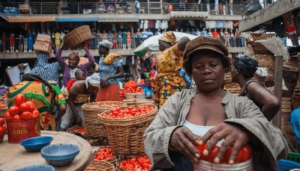
One of the most pressing issues is the rising cost of food. Basic staples such as rice, beans, garri, yam, bread, noodles, and cooking oil have experienced consistent price increases. For many households, food now takes up the largest share of monthly income. Families that once enjoyed balanced meals are now making difficult choices, often prioritizing quantity over variety. Some households have reduced portion sizes, skipped certain meals, or switched to cheaper alternatives to stretch their budgets. Fresh fruits, vegetables, and protein sources like meat, fish, and eggs are increasingly seen as occasional items rather than daily necessities.
Housing is another major concern for urban residents. Rent in Nigerian cities has surged, particularly in high-demand areas close to business districts and major roads. Landlords often cite inflation, higher maintenance costs, and rising property-related expenses as reasons for frequent rent increases. As a result, many families are being pushed out of city centers to less developed outskirts where rent is relatively cheaper. Others are choosing to share apartments with extended family members or roommates to reduce housing costs. While these options help save money, they often come with longer commuting times and reduced comfort.
Transportation costs have also risen sharply, adding to the financial burden on city dwellers. Increases in fuel prices and vehicle maintenance expenses have led to higher fares for buses, taxis, tricycles, and ride-hailing services. For workers who commute daily, transportation can now consume a significant portion of their income. Some families have responded by reducing unnecessary trips, walking short distances, or using bicycles where possible. Others have adjusted their work schedules or sought employment opportunities closer to home to cut down on commuting costs.
Utility expenses are another area where families are feeling the impact. Electricity tariffs, water bills, and internet subscription costs have increased, while power supply remains unreliable in many areas. To cope with frequent outages, households often rely on generators, inverters, or solar systems, all of which require additional spending on fuel, batteries, and maintenance. These extra costs further stretch already tight household budgets, especially for families with school-aged children who need internet access for learning.
In response to these challenges, urban families are adopting various coping strategies. Strict budgeting has become a necessity rather than a choice. Many households now carefully track their income and expenses, prioritizing essential needs such as food, rent, school fees, and healthcare. Non-essential spending, including eating out, entertainment, fashion, and luxury items, is often reduced or completely eliminated.
State of Economy in Nigeria
Another common coping mechanism is the search for additional sources of income. Side businesses and informal work have become increasingly popular. Urban residents are engaging in small-scale trading, online freelancing, ride services, content creation, tailoring, catering, and other skill-based activities to supplement their earnings. In many households, more than one family member now contributes financially, including spouses and adult children, to help meet basic needs.
Community support also plays a vital role in helping families manage rising living costs. Cooperative societies, thrift savings groups, and rotating savings schemes provide access to small loans and emergency funds. Neighbors often share resources, information, and opportunities, reinforcing long-standing traditions of communal support. These informal networks help cushion the impact of economic hardship, especially for low- and middle-income families.
Despite the difficulties, the rising cost of living has highlighted the resilience and adaptability of Nigerian urban families. People continue to adjust, innovate, and support one another in the face of economic pressure. However, long-term relief will depend on broader solutions, including stable economic policies, job creation, affordable housing, improved transportation systems, and reliable power supply.
For now, urban families continue to navigate these challenges day by day, finding practical ways to cope while hoping for a more affordable and sustainable future in Nigeria’s cities.
Emmanuel Benson is a Nigerian journalist and digital media writer with a keen interest in politics, economy, and everyday life across Nigeria and Africa. Based in Lagos, he covers breaking news, policy developments, and the stories that shape how Nigerians live and work.