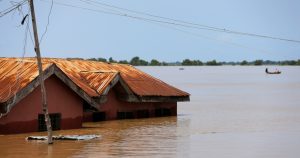
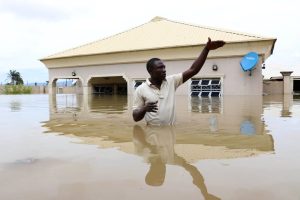
Flooding has become a regular problem in many Nigerian cities. Every year, during the rainy season, several urban areas experience serious flooding. Roads become rivers, houses are filled with water, and daily life becomes very difficult for residents. Cities such as Lagos, Benin City, Uyo, Onitsha, Port Harcourt, and Ibadan are often mentioned whenever flooding occurs.
For many Nigerians, flooding is no longer a surprise. Once heavy rains begin, people expect traffic delays, damaged properties, and disruptions to business activities. But why does flooding keep happening every year, and how does it affect life in Nigerian cities?
Poor Drainage Systems
One of the biggest causes of flooding in Nigerian cities is poor drainage infrastructure. Many drainage channels are either too narrow or poorly constructed. When heavy rainfall occurs, these drains cannot carry the large volume of water, causing it to overflow into streets and residential areas.
In some locations, drainage systems are completely missing. Water then has nowhere to go and begins to collect on roads and around houses. Over time, this standing water turns into flooding, especially in low-lying areas.
Even where drains exist, many are not well maintained. Sand, weeds, and debris often block water flow, making the drains ineffective during rainfall.
Improper Waste Disposal
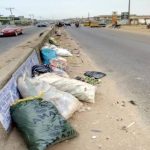
Improper waste disposal makes flooding worse in many Nigerian cities. Refuse is frequently dumped into gutters, canals, and waterways. When rain falls, these wastes block the flow of water, causing gutters to overflow.
Despite repeated warnings from government agencies and environmental groups, many people still dispose of waste carelessly. Plastic bottles, nylon bags, food waste, and household refuse end up in drainage channels. During heavy rain, the blocked drains push water back into streets and homes.
This problem is common in densely populated areas where waste collection services are either irregular or unavailable.
Rapid Urban Development
Rapid and unplanned urban development also contributes to flooding. Many buildings are constructed without proper drainage plans. In some cases, houses are built on natural waterways or floodplains that were meant to carry rainwater away.
As cities expand, roads, buildings, and paved surfaces replace natural land that used to absorb rainwater. With nowhere to soak into the ground, rainwater flows quickly across surfaces and gathers in streets and homes.
Poor enforcement of building regulations allows developers to block water channels, making flooding more frequent and severe.
Climate and Heavy Rainfall
Climate patterns also play a role. Nigeria experiences heavy seasonal rainfall, especially in coastal and southern regions. In recent years, rainfall has become more intense, sometimes falling heavily within a short period.
When heavy rain falls faster than drains can handle, flooding occurs. Without strong infrastructure to manage excess water, cities quickly become overwhelmed.
Effects of Flooding on Urban Life
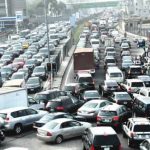
Flooding has serious effects on daily life in Nigerian cities. One major impact is the disruption of transportation. Flooded roads cause traffic jams, accidents, and delays. Many people are unable to get to work, school, or important appointments.
Businesses also suffer. Shops, markets, and offices may be forced to close temporarily. Goods get damaged, and business owners lose income. Small businesses are often hit the hardest because they may not have insurance or savings to recover quickly.
Homes are another major concern. Floodwater can destroy furniture, electronics, clothing, and important documents. In severe cases, families may be forced to leave their homes temporarily.
Flooding also affects health. Stagnant water creates breeding grounds for mosquitoes, increasing the risk of malaria. Contaminated floodwater can spread waterborne diseases such as cholera and typhoid. Children and the elderly are especially vulnerable.
Environmental and Social Impact
Beyond health and property damage, flooding affects the environment. Waste carried by floodwater pollutes rivers and streams. This harms aquatic life and affects communities that depend on these water sources.
Socially, flooding increases stress and hardship. Families may struggle to clean up after floods, and repeated flooding can lower the quality of life in affected areas.
How Flooding Can Be Reduced
Reducing flooding in Nigerian cities requires both government action and individual responsibility.
The government must invest in proper drainage construction and expansion. Old and undersized drainage systems need to be upgraded to handle heavy rainfall. Regular cleaning and maintenance of drains are also very important.
Waste management laws should be enforced more strictly. Proper waste collection services must be provided, and illegal dumping should attract penalties.
Urban planning regulations should be followed carefully. Buildings should not be allowed to block natural waterways, and construction in flood-prone areas should be controlled.
Residents also have a role to play. People should dispose of waste responsibly and avoid throwing refuse into gutters. Keeping drainage channels around homes clean can make a big difference.
Conclusion
Flooding in Nigerian cities may happen every year, but it is not unavoidable. Poor drainage, improper waste disposal, unplanned development, and heavy rainfall all contribute to the problem. The effects on urban life are serious, affecting transportation, businesses, homes, and health.
With better planning, proper infrastructure, and responsible behavior from citizens, the impact of flooding can be greatly reduced. Seasonal rains will continue, but Nigerian cities can be better prepared to handle them and protect urban life.
Emmanuel Benson is a Nigerian journalist and digital media writer with a keen interest in politics, economy, and everyday life across Nigeria and Africa. Based in Lagos, he covers breaking news, policy developments, and the stories that shape how Nigerians live and work.