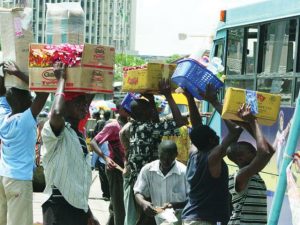
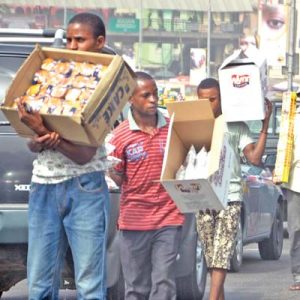
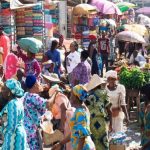
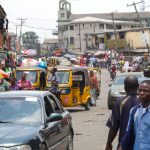
Street trading is a familiar part of daily life in many Nigerian cities. From Lagos to Abuja, Port Harcourt to Onitsha, roadside traders can be seen selling food, drinks, clothes, phone accessories, fruits, and household items. They operate at traffic junctions, bus stops, highways, and busy streets where people pass every day.
For many Nigerians, street trading is not a choice made for comfort. It is a survival strategy in a tough economic environment. With rising unemployment, high cost of living, and limited job opportunities, many people turn to street trading as a way to earn a living and support their families.
Why Street Trading Is Popular
One major reason street trading thrives is its low entry cost. Unlike opening a shop, street trading does not require rent, large capital, or complex registration. A person can start with a small amount of money and begin selling immediately. This makes it attractive to young people, women, and migrants who may not have access to loans or formal employment.
Street trading also provides quick daily income. Traders earn cash every day, which helps them meet immediate needs such as food, transport, and school fees. In an economy where many people struggle with delayed salaries or unstable jobs, this daily cash flow is very important.
Another factor is accessibility. Street traders bring goods directly to consumers. Instead of visiting a market or shopping mall, buyers can easily purchase items while commuting, waiting for a bus, or stuck in traffic. This convenience makes street trading popular among busy city residents.
Benefits to Consumers and the Economy
Street trading plays a role in the informal economy, which supports millions of Nigerians. It helps reduce unemployment and provides opportunities for people who may not fit into the formal job sector.
Consumers also benefit from lower prices. Because street traders have fewer overhead costs, they often sell goods at cheaper rates than shops. This is especially helpful for low-income earners who depend on affordable products.
In addition, street trading supports local supply chains. Many traders buy goods from local farmers, wholesalers, and small producers, helping money circulate within the local economy.
Urban Challenges Linked to Street Trading
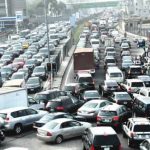
Despite its benefits, street trading also creates serious challenges for Nigerian cities. One major issue is traffic congestion. Traders often occupy sidewalks, road shoulders, and junctions, reducing space for vehicles and pedestrians. This can slow down traffic and increase travel time.
Safety is another concern. Traders working on busy roads are exposed to accidents involving vehicles and motorcycles. Pedestrians who stop to buy items may also be at risk, especially in areas without proper walkways.
Street Trading in Lagos
Environmental problems are also linked to street trading. Poor waste disposal can lead to littered streets, blocked drainage systems, and flooding during the rainy season. This affects the cleanliness and appearance of cities.
Government Response and Enforcement Issues
City authorities have made several attempts to control or relocate street traders. These efforts often include eviction exercises, road clearances, and market relocations. However, enforcement is usually inconsistent.
In many cases, traders are removed from the streets without being provided with affordable alternatives. Market stalls may be too expensive, poorly located, or lack basic facilities. As a result, many traders return to the streets after a short time.
The absence of clear policies and long-term planning has made the issue difficult to resolve. Harsh enforcement without support often increases tension between traders and authorities.
Finding a Balanced Solution
Street trading in Nigerian cities requires a balanced and realistic approach. Completely banning it without alternatives can worsen poverty and unemployment. On the other hand, allowing it to operate without control can damage urban order and safety.
One solution is the creation of affordable and well-planned markets close to residential and commercial areas. When traders have access to safe, low-cost trading spaces, they are more likely to move off the streets.
Supporting small businesses through training, access to micro-loans, and simple registration processes can also help traders grow into more stable enterprises. Fair and consistent enforcement of city rules, combined with public awareness, can improve compliance.
Conclusion
Street trading in Nigerian cities reflects both the resilience of the people and the challenges of urban development. For millions, it is a vital means of survival. For cities, it presents issues that require thoughtful planning and inclusive policies.
When managed properly, street trading and organized urban development can coexist. By considering livelihoods alongside city order, Nigerian cities can grow in a way that is both humane and sustainable.
Emmanuel Benson is a Nigerian journalist and digital media writer with a keen interest in politics, economy, and everyday life across Nigeria and Africa. Based in Lagos, he covers breaking news, policy developments, and the stories that shape how Nigerians live and work.