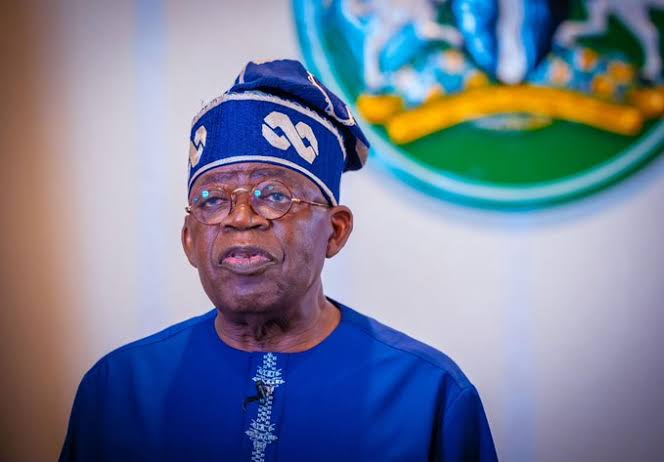
President Bola Ahmed Tinubu has once again defended his administration’s economic reforms, arguing that the difficult decisions taken since 2023 were necessary to stabilise Nigeria’s economy and prevent a deeper fiscal crisis. However, for many Nigerians facing higher food prices, transport costs, electricity bills, rent, and school fees, the debate remains simple: when will the benefits become visible in everyday life?
The conversation around Tinubu’s reforms has become one of the most important economic issues in Nigeria. Supporters point to improving government finances, rising foreign reserves, increased investor confidence, and infrastructure spending. Critics argue that ordinary households continue to struggle with a severe cost-of-living crisis driven by inflation and the weakening purchasing power of the naira.
This article examines the major reforms introduced under the Tinubu administration, the government’s defence of those policies, their impact on Nigerians, and what the future may hold for households across Lagos, Abuja, Port Harcourt, Kano, Enugu, and other parts of the country.
Why Tinubu Is Defending His Economic Reforms
Speaking during events marking the third anniversary of his administration, President Tinubu argued that the reforms introduced since taking office have helped stabilise Nigeria’s economy and restore investor confidence. He stated that difficult decisions such as fuel subsidy removal, foreign exchange reforms, and electricity sector adjustments were necessary to prevent what he described as a potential fiscal breakdown.
According to the presidency, key indicators show signs of improvement:
Higher government revenue collection
Improved foreign exchange liquidity
Growth in foreign reserves
Increased infrastructure spending
Rising stock market performance
Greater investor interest in the oil and gas sector
The administration argues that while the reforms caused short-term pain, they are laying the foundation for long-term economic growth.
The Major Economic Reforms Introduced Since 2023
1. Fuel Subsidy Removal
One of the first major announcements made by President Tinubu after assuming office in May 2023 was the removal of Nigeria’s petrol subsidy.
For years, the subsidy kept fuel prices artificially low but cost the government trillions of naira annually. Critics argued that the system encouraged smuggling and benefited wealthier Nigerians more than poorer households.
After subsidy removal, petrol prices increased dramatically across the country, triggering higher transportation costs and contributing to inflation.
2. Foreign Exchange Market Reforms
The government also moved to unify Nigeria’s foreign exchange market by reducing multiple exchange-rate windows.
The reform aimed to attract foreign investment and improve transparency. However, it also led to significant naira depreciation, increasing the cost of imported goods, machinery, pharmaceuticals, and raw materials.
3. Electricity Tariff Adjustments
The administration supported reforms in the power sector, including tariff adjustments for certain customer categories and efforts to reduce subsidy burdens.
While officials argue that cost-reflective tariffs are necessary to improve electricity supply, many households and businesses have experienced higher energy costs.
4. Tax Reform Initiatives
The government has also introduced major tax reforms aimed at increasing revenue collection efficiency and reducing dependence on oil income. Several tax-related laws and institutional reforms have been proposed or implemented to modernise Nigeria’s revenue system.
How These Reforms Affect Everyday Nigerians
For many households, the impact of the reforms has been immediate and highly visible.
Area
Before Reforms
Current Situation
Fuel
Subsidised prices
Market-driven pricing
Transport
Lower fares
Significantly higher fares
Food
Moderate inflation
Persistent food inflation
Electricity
More subsidised tariffs
Higher costs for many users
Imported Goods
Relatively cheaper
More expensive due to FX pressures
In cities such as Lagos and Abuja, many commuters now spend substantially more on transportation compared to a few years ago. Small business owners face higher operating expenses, while households are adjusting spending habits to cope with rising costs.
Nigeria Inflation Calculator
Use this tool to see how inflation has affected the purchasing power of your income and savings.
🧮 Nigeria Inflation Calculator
Find the 2026 equivalent of any past Nigerian amount using NBS inflation data
2026 Equivalent
The Cost-of-Living Crisis Explained
The term “cost of living” refers to how much money is required to maintain a particular standard of living. In Nigeria, rising prices have affected almost every aspect of daily life.
Food remains one of the biggest challenges. Recent data showed food inflation exceeding the overall inflation rate, highlighting the pressure on household budgets. Basic staples such as rice, beans, yam, cooking oil, tomatoes, and bread have become significantly more expensive for many families.
A typical family in Lagos, Port Harcourt, or Abuja may now spend a much larger portion of monthly income on:
Food and groceries
Transportation
Rent
Electricity
Healthcare
School fees
What the Government Says Is Improving
Despite public concerns, government officials argue that several economic indicators suggest progress.
Improved Investor Confidence
The administration points to strong stock market performance and increased interest from domestic and foreign investors as evidence that confidence is returning to the Nigerian economy.
Higher Foreign Reserves
Officials have highlighted growth in foreign reserves and stronger external balances compared to the early stages of the reform programme.
Infrastructure Spending
The government reports that more than 2,700 kilometres of roads are under construction or rehabilitation, alongside railway upgrades and power sector investments.
Increased Oil Production
Higher oil output has improved revenue generation and provided additional fiscal space for government spending. Finance Minister Wale Edun has indicated that stronger production is helping support public finances.
What Critics and Economists Are Saying
While many economists agree that reforms were needed, some argue that implementation has been too rapid and that social protection measures have not adequately cushioned vulnerable Nigerians.
Several policy experts have noted that subsidy removal, naira devaluation, and tariff increases occurred during a period when many households were already struggling with low incomes and weak economic growth.
Others maintain that delaying reforms would only have worsened Nigeria’s long-term fiscal challenges. The debate therefore centres not on whether reforms were necessary, but on how they were implemented and how effectively vulnerable citizens are being protected.
How Nigerians Are Adapting
Across the country, households have developed different strategies to manage rising costs.
Reducing non-essential spending
Using public transport more frequently
Seeking additional income sources
Buying food in bulk
Switching to cheaper alternatives
Increasing savings discipline
Running home businesses
In major urban centres such as Lagos and Abuja, side hustles and freelance work have become increasingly important sources of supplemental income.
The Role of Exchange Rates in Rising Prices
One reason prices remain elevated is the relationship between the naira and imported goods.
Nigeria imports significant quantities of machinery, pharmaceuticals, industrial inputs, and consumer products. When the naira weakens, import costs rise, and those costs often get passed to consumers.
As a result, exchange-rate movements affect everything from mobile phones and laptops to medicines and processed food products.
Naira Exchange Rate Tracker
Monitor current exchange-rate movements and understand how changes in the naira affect prices across Nigeria.
📊 Naira Exchange Rate Tracker
Live USD, GBP & EUR to NGN converter — no API key needed
Fetching live rate
NGN Equivalent
Can the Reforms Deliver Long-Term Benefits?
Supporters of the reforms believe Nigeria is undergoing a painful but necessary economic adjustment.
Potential long-term benefits include:
More sustainable government finances
Reduced subsidy-related spending
Increased private-sector investment
Greater foreign exchange stability
Improved infrastructure development
Stronger non-oil revenue generation
International institutions and analysts have acknowledged improvements in several macroeconomic indicators while also warning that inflation and poverty remain major concerns.
What Nigerians Should Watch in the Coming Months
Several indicators will help determine whether the reforms begin translating into better living standards:
Food inflation trends
Fuel price stability
Electricity supply improvements
Naira exchange-rate performance
Job creation figures
Economic growth rates
Household income growth
If inflation continues to moderate while incomes improve, more Nigerians may begin to experience the benefits the government says the reforms are designed to achieve.
Practical Tips for Households Facing Higher Costs
Create a detailed monthly budget
Track transport expenses carefully
Reduce unnecessary debt
Build an emergency savings fund
Look for additional income opportunities
Compare prices before major purchases
Monitor exchange-rate movements for imported goods
These steps will not eliminate the impact of inflation, but they can help families manage financial pressure more effectively.
Conclusion
President Tinubu’s economic reforms remain one of the most debated policy programmes in modern Nigerian history. The administration argues that subsidy removal, foreign exchange reforms, tax restructuring, and fiscal adjustments were necessary to stabilise the economy and attract investment. Supporters point to improving macroeconomic indicators, stronger public finances, infrastructure development, and investor confidence as evidence that the strategy is working.
At the same time, millions of Nigerians continue to feel the impact of higher living costs, food inflation, expensive transportation, and reduced purchasing power. The ultimate test of the reforms will be whether these macroeconomic gains translate into better jobs, lower inflation, improved public services, and higher living standards for ordinary Nigerians.
For now, the reality for many households is a balancing act between economic hardship today and hopes of a more stable economy tomorrow.
Frequently Asked Questions (FAQs)
Why did Tinubu remove the fuel subsidy?
The government says the subsidy was financially unsustainable, cost trillions of naira annually, and distorted the economy. Officials argue the funds can now be redirected toward development projects and public services.
How have Tinubu’s reforms affected food prices?
Food prices have risen significantly due to inflation, transportation costs, exchange-rate pressures, and broader economic adjustments affecting production and distribution.
Is Nigeria’s economy improving in 2026?
Some economic indicators such as foreign reserves, stock market performance, and government revenue have improved, although many households still face financial hardship.
Why is the cost of living so high in Nigeria?
Major factors include inflation, fuel price increases, exchange-rate movements, electricity costs, and supply-chain challenges affecting goods and services.
Will the reforms reduce inflation?
The government’s position is that the reforms will eventually support lower inflation and stronger economic growth, but the timeline depends on domestic and global economic conditions.
How does the naira exchange rate affect everyday Nigerians?
A weaker naira generally increases the cost of imported products, which can lead to higher prices for food, electronics, medicine, and other essential goods.
For more practical tools to manage your finances and stay informed, explore the full Reality Gist Digital Tools Hub.
Emmanuel Benson is a Nigerian journalist and digital media writer with a keen interest in politics, economy, and everyday life across Nigeria and Africa. Based in Lagos, he covers breaking news, policy developments, and the stories that shape how Nigerians live and work.