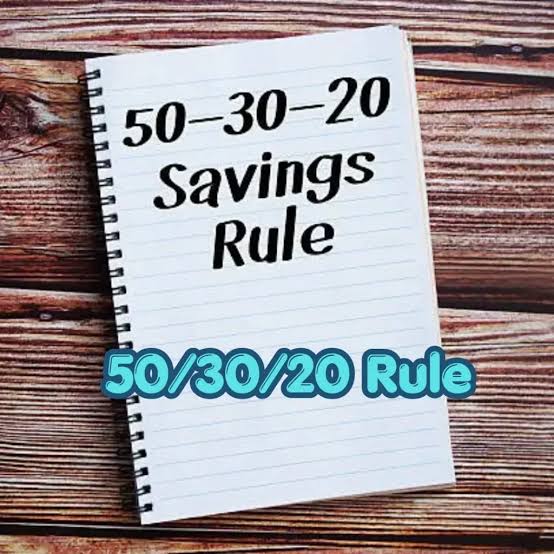
If you’ve ever searched for personal finance advice, you’ve probably come across the The 50/30/20 Rule Doesn’t Work in Nigeria — Here’s a Better Way to Budget Your Salary idea. The rule sounds simple: spend 50% on needs, 30% on wants, and save 20%. Unfortunately, for many Nigerians dealing with rising costs, unstable prices, and high transportation expenses, that formula often feels unrealistic.
Whether you’re a civil servant, private sector worker, freelancer, or small business owner, budgeting in Nigeria requires a more flexible approach. Instead of forcing your income into a foreign framework, it’s better to build a budget that reflects Nigerian realities.
Why the 50/30/20 Rule Struggles in Nigeria
The 50/30/20 budgeting method was designed for economies where housing, transportation, healthcare, and food costs are relatively predictable. In Nigeria, however, prices can change significantly within a few months.
For many workers earning between ₦100,000 and ₦500,000 monthly, essential expenses alone can consume well over 50% of income. Rent, electricity, internet subscriptions, transportation, food, school fees, and family support often leave little room for the traditional 30% “wants” category.
Take a Lagos worker earning ₦250,000 monthly. After transportation, feeding, utility bills, and contributions to family needs, they may already be spending 70–80% of their salary on necessities. Trying to squeeze those expenses into 50% creates frustration rather than financial progress.
This is why many people searching for how to budget salary in Nigeria discover that the popular rule simply doesn’t fit their situation.
A More Practical Nigerian Budget Formula
Instead of a fixed 50/30/20 split, consider a flexible 70/20/10 approach that prioritizes survival, savings, and lifestyle according to your income level.
70% for essentials: Rent, food, transport, electricity, data, school fees, healthcare, and family obligations.
20% for savings and financial goals: Emergency funds, investments, business capital, or debt repayment.
10% for lifestyle spending: Entertainment, eating out, subscriptions, and personal treats.
The percentages do not need to be exact every month. The goal is to ensure that savings happen consistently while essential expenses remain manageable.
For lower-income earners, even saving 5–10% consistently is better than waiting for a future salary increase before starting.
Example Budget for a ₦200,000 Salary
Essentials: ₦140,000
Savings and investments: ₦40,000
Lifestyle spending: ₦20,000
This structure is often easier to maintain than the traditional budgeting model because it reflects actual spending patterns in cities such as Lagos, Abuja, Port Harcourt, and Ibadan.
How Much of Your Income Should Go to Rent?
One of the biggest budgeting challenges for Nigerians is housing. Many financial experts recommend keeping housing costs below one-third of income, but that’s not always realistic in major cities.
When considering the percentage of income for rent Nigeria, a practical target is to keep total housing-related expenses as low as possible while maintaining safety and reasonable commuting costs.
This may involve:
Sharing accommodation temporarily.
Living slightly farther from high-demand areas.
Negotiating annual rent payments early.
Avoiding lifestyle inflation after salary increases.
If rent consumes too much of your income, it becomes difficult to build emergency savings or invest for future goals.
Budgeting Strategies That Actually Work
The best monthly budget plan for Nigerians focuses on flexibility rather than perfection. Here are practical strategies many successful savers use.
Pay yourself first: Move savings immediately after receiving your salary.
Track expenses weekly: Small daily spending often causes the biggest budget leaks.
Create an emergency fund: Unexpected medical bills, vehicle repairs, or family emergencies are common.
Separate savings accounts: Keep emergency savings separate from spending money.
Review subscriptions: Cancel services you rarely use.
These habits are often more important than following any specific budgeting formula.
What If Your Income Is Already Too Small?
Many Nigerians feel budgeting is impossible because their income barely covers essentials. While a higher income certainly helps, budgeting still matters.
For those focused on saving money on low income Nigeria, the goal is not necessarily large savings amounts. The goal is consistency.
Saving ₦2,000, ₦5,000, or ₦10,000 monthly may seem small, but it creates financial discipline and provides protection against emergencies.
Workers in government jobs can especially benefit from structured planning. Some of the most effective budgeting tips for civil servants include automating savings, avoiding salary-backed loans for non-essential purchases, and creating separate funds for annual obligations such as rent and school fees.
Even modest financial habits can make a significant difference over time.
Frequently Asked Questions
Is the 50/30/20 rule completely useless in Nigeria?
No. It can work for high-income earners whose essential expenses take up a smaller portion of their salary. However, many average-income Nigerians find it too rigid for current economic realities.
What is the best budget percentage for Nigerians?
There is no universal percentage. A flexible approach that prioritizes necessities, regular savings, and controlled lifestyle spending is usually more practical than strict budgeting formulas.
How much should I save from my salary every month?
Aim for whatever amount you can consistently maintain. Even small monthly contributions are valuable when they become a long-term habit.
Creating a realistic budget becomes much easier when you can quickly see how your income should be divided across essentials, savings, and lifestyle spending. A budgeting calculator removes the guesswork and helps you plan based on your actual salary rather than generic financial advice.
Try it yourself: Use our free Salary Budget Calculator to instantly create a realistic monthly spending plan — Salary Budget Calculator →
Emmanuel Benson is a Nigerian journalist and digital media writer with a keen interest in politics, economy, and everyday life across Nigeria and Africa. Based in Lagos, he covers breaking news, policy developments, and the stories that shape how Nigerians live and work.