Urban centers across Nigeria are growing rapidly, bringing economic opportunities and cultural vibrancy. However, this growth has also intensified one major challenge: waste management. From overflowing dumpsters to clogged drainage systems, improper waste disposal has become a daily concern for residents. In response, community leaders, civil society groups, and environmental advocates are calling for urgent improvements to waste management systems in Nigeria’s urban areas.
Rising Waste Challenges in Nigerian Cities
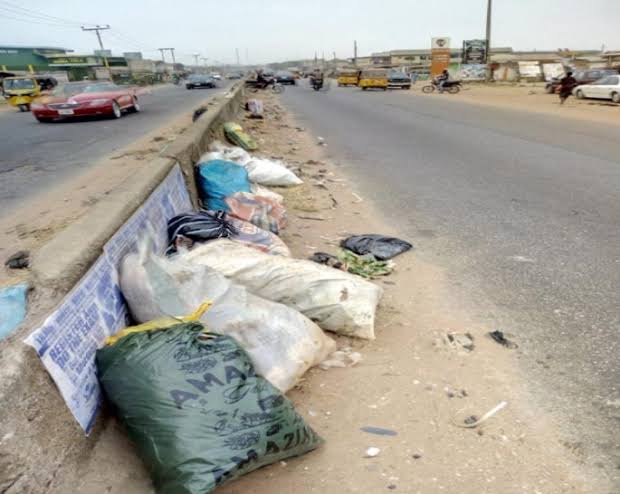
As cities expand, the volume of household and commercial waste increases. Urban areas generate tons of refuse daily, including plastic waste, food scraps, and industrial byproducts. Unfortunately, waste collection systems in many cities have not kept pace with population growth. Irregular waste pickup, inadequate recycling facilities, and limited public awareness have worsened the problem.
Community leaders argue that poor waste management affects more than city aesthetics. It contributes to flooding during the rainy season, air and water pollution, and the spread of diseases such as cholera and malaria. Piles of uncollected refuse also pose safety risks, especially for children and the elderly who live near dumping sites.
Community Leaders Speak Out
Local leaders, including traditional rulers, ward representatives, and neighborhood association heads, are increasingly vocal about the need for action. Many have organized town hall meetings and community forums to discuss waste-related issues with residents and local authorities.
According to these leaders, waste management should not be treated as a seasonal issue but as a continuous public service. They emphasize that effective waste control requires collaboration between government agencies, private waste collectors, and the public. Without proper coordination, efforts remain fragmented and ineffective.
Calls for Stronger Government Support
One major demand from community leaders is increased government investment in waste management infrastructure. This includes providing more waste bins, modern trucks, recycling plants, and sanitary landfills. Leaders also stress the importance of maintaining existing equipment, as broken trucks and understaffed agencies often disrupt waste collection schedules.
In addition, they call for clearer policies and stricter enforcement of environmental laws. While regulations exist, poor enforcement has allowed illegal dumping and open burning of waste to continue. Community representatives believe that consistent penalties for offenders would discourage harmful practices and promote cleaner neighborhoods.
The Role of Education and Awareness
Beyond infrastructure, education plays a crucial role in sustainable waste management. Community leaders advocate for regular awareness campaigns to teach residents about proper waste sorting, recycling, and disposal methods. Many urban dwellers still mix organic waste with plastics and hazardous materials, making recycling difficult.
Schools, religious centers, and local markets are seen as key platforms for spreading environmental education. When residents understand how waste mismanagement affects their health and environment, they are more likely to adopt responsible habits.
Encouraging Community Participation
Another major focus of community leaders is grassroots participation. Some neighborhoods have introduced monthly sanitation exercises, where residents clean streets and clear drainage channels together. These initiatives not only improve cleanliness but also strengthen community bonds.
Leaders also encourage residents to report illegal dumping and hold waste contractors accountable for missed collections. With mobile phones and social media, communities can now document issues and demand quicker responses from authorities.
Private Sector and Innovation
Community leaders are also calling for greater private sector involvement in waste management. Recycling startups, waste-to-energy projects, and eco-friendly packaging companies are emerging in urban Nigeria. These innovations offer opportunities to turn waste into economic value while reducing environmental harm.
By supporting small businesses and entrepreneurs in the waste management sector, cities can create jobs and promote sustainable practices. Leaders believe public-private partnerships can help bridge funding gaps and introduce modern solutions.
A Path Toward Cleaner Cities
Improved waste management is not just an environmental goal; it is essential for public health, urban development, and economic growth. Community leaders stress that clean cities attract investment, boost tourism, and enhance overall quality of life.
They urge all stakeholders—government, private companies, and residents—to see waste management as a shared responsibility. With consistent policies, adequate funding, community involvement, and public education, Nigeria’s urban areas can overcome current challenges.
Conclusion
The call by community leaders for improved waste management in Nigeria’s urban areas highlights an urgent national issue. While challenges remain, the growing awareness and collective action at the community level offer hope. By prioritizing sustainable waste management today, Nigerian cities can build a cleaner, healthier, and more resilient future for generations to come.