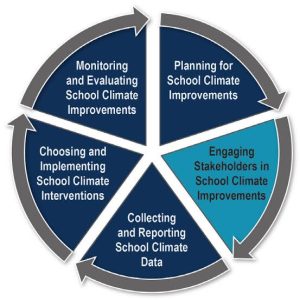
Education stakeholders across Nigeria have once again called on the government and private sector to invest more in the country’s education system. According to them, better funding is very important if schools are to provide quality learning for children and youths.
Stakeholders include teachers, school owners, parents, education experts, and civil society groups. They all agree that education is the foundation of national development. Without strong investment in schools, it will be difficult for Nigeria to produce skilled and confident citizens who can compete in today’s global world.
Many of these stakeholders spoke during recent education forums, workshops, and policy discussions. They said the current level of funding is not enough to meet the growing needs of students and schools across the country.
Poor Learning Environment Remains a Major Concern
One of the biggest issues raised is the poor condition of many public schools. In several parts of Nigeria, classrooms are overcrowded, roofs are leaking, and basic facilities like desks, chairs, toilets, and clean water are missing.
According to education experts, students learn better in safe and comfortable environments. When classrooms are too crowded or buildings are old and damaged, it affects concentration and learning outcomes.
Stakeholders explained that increased investment will help renovate old school buildings, build new classrooms, and provide modern facilities that support learning. They also stressed the need for libraries, laboratories, and digital learning centers in both urban and rural schools.
Teacher Welfare and Training Need Attention
Another major point discussed was the welfare of teachers. Many teachers in public schools are poorly paid and work under difficult conditions. Some go for months without receiving salaries, while others lack basic teaching materials.
Education stakeholders believe that teachers are the backbone of the education system. When teachers are motivated and well-trained, students benefit directly.
They called on the government to improve teachers’ salaries, provide regular training, and ensure timely payment of wages. They also suggested more investment in teacher development programs to help educators adapt to modern teaching methods.
According to them, well-trained teachers are better equipped to guide students, encourage creativity, and improve overall academic performance.
Importance of Modern Teaching Tools
Stakeholders also highlighted the need for modern teaching tools and technology in schools. In today’s world, digital skills are becoming more important for success in higher education and the job market.
They noted that many Nigerian schools still rely on outdated teaching methods and lack access to computers, internet services, and digital learning resources.
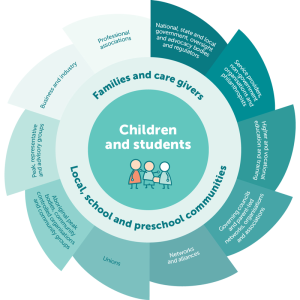
Education stakeholders system
With increased investment, schools can introduce smart classrooms, e-learning platforms, and digital libraries. This will help students gain basic technology skills from an early age and prepare them for future careers.
Education experts added that technology can also help teachers plan lessons better, track student progress, and make learning more interactive and engaging.
Skill-Based Learning for the Future
Another key issue raised is the need for skill-based education. Stakeholders said that schools should not focus only on theory but also teach practical skills that students can use in real life.
They explained that skill-based learning helps students develop problem-solving abilities, creativity, and confidence. Skills such as coding, technical training, entrepreneurship, agriculture, and vocational education can prepare students for self-employment and future job opportunities.
According to them, investing in skill-based education will help reduce unemployment and empower young people to contribute positively to the economy.
Quality Education Supports National Development
Education stakeholders emphasized that access to quality education is closely linked to national development. A well-educated population is more likely to support economic growth, innovation, and social stability.
They explained that countries that invest heavily in education often experience faster development and stronger economies. For Nigeria to achieve long-term growth, education must be treated as a top priority.
Stakeholders urged policymakers to see education as an investment, not an expense. According to them, the benefits of education funding may not be immediate, but they are long-lasting and impactful.
Parents and Educators React Positively
Parents and educators have welcomed the ongoing discussions about education reforms. Many parents expressed hope that the talks will lead to real actions and not just promises.
Some parents said they struggle to support their children’s education due to rising costs and limited school resources. They believe increased government investment will reduce the burden on families and improve learning outcomes.
Educators also shared similar views, saying that policy changes must be followed by practical steps such as increased budget allocation, proper monitoring, and accountability.
Call for Collective Responsibility
Education stakeholders concluded by calling for collective responsibility in improving the education sector. They stressed that while the government has a major role to play, private organizations, communities, and individuals can also contribute.
They encouraged partnerships between the public and private sectors to support school development, teacher training, and student support programs.
According to them, investing in education today is investing in Nigeria’s future. With proper funding, planning, and commitment, schools can become places where students are well-prepared for life, work, and responsible citizenship.