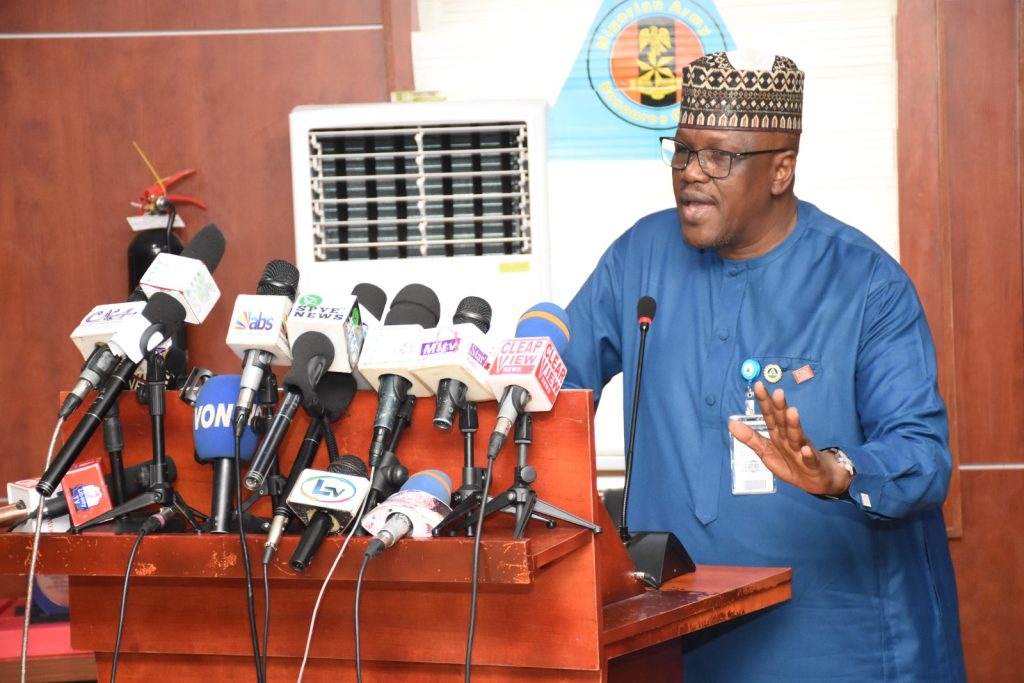
The proposal that the Federal Government may begin embedding journalists with military operations has sparked discussions across Nigeria’s media and security sectors. The idea could change how Nigerians receive information from conflict zones, counterterrorism missions, and other sensitive security activities.
As conversations continue around Federal Government Considers Embedding Journalists with Military Operations, many citizens are asking important questions. Could this improve transparency? Would it help the public better understand security challenges? Or could it create new concerns about safety and objectivity? These are issues worth examining closely.
What Does It Mean to Embed Journalists with Military Operations?
Embedding journalists involves allowing approved media personnel to accompany military units during selected assignments and operations. Rather than reporting from a distance, journalists gain direct access to activities on the ground while operating under agreed security guidelines.
The practice is not entirely new globally. Several countries have used embedded reporting during military campaigns to provide citizens with firsthand accounts of events. The approach allows reporters to observe operations, interact with personnel, and produce more detailed coverage than would normally be possible.
In the Nigerian context, the proposal could influence how the public receives information about Nigerian military operations, particularly in areas affected by insurgency, banditry, and other security challenges.
For many Nigerians, security-related reports often come through official statements, press briefings, or secondhand accounts. Embedded journalism could potentially offer a more direct view of events and provide additional context for audiences trying to understand complex situations.
Potential Benefits for Transparency and Public Understanding
One of the strongest arguments supporting the proposal is improved transparency. When journalists witness events firsthand, they can provide more detailed reporting that helps citizens understand what security agencies are doing and the challenges they face.
Public awareness is particularly important in a country where security issues frequently dominate headlines. Whether someone is reading the news in Lagos, discussing current affairs in Abuja, or following developments from another part of the country, access to credible information can help reduce misinformation and speculation.
The proposal may also strengthen trust between the public and security institutions. Accurate reporting can provide insight into operational realities, logistics, and the difficult conditions military personnel often face.
Possible Advantages of Embedded Reporting
Greater public understanding of security operations.
Improved access to firsthand information from conflict areas.
Reduced dependence on rumours and unverified reports.
Opportunities for more detailed and balanced reporting.
Stronger communication between security agencies and the public.
Supporters argue that these benefits could contribute positively to discussions about national security Nigeria and help citizens make informed judgments based on verified information.
Concerns About Safety and Editorial Independence
While the proposal has potential benefits, it also raises important concerns. One of the most significant issues involves the safety of reporters working near active military activities. Journalists embedded with troops could face risks associated with operating in volatile environments.
Another concern involves maintaining editorial independence. Critics often question whether reporters embedded with military units can remain completely objective while relying on those same units for transportation, protection, and access.
The relationship between journalists and security agencies has always required a careful balance. Security institutions must protect sensitive information, while journalists have a responsibility to inform the public accurately and independently.
To address these concerns, any embedding programme would likely require clear guidelines outlining what can be reported, how information is verified, and how journalists maintain professional standards while operating in sensitive areas.
Balancing Media Access and National Security
Finding the right balance between transparency and operational secrecy will be one of the biggest challenges if the proposal moves forward. Security agencies often handle information that cannot be released immediately due to ongoing investigations, tactical considerations, or concerns about personnel safety.
At the same time, democratic societies generally benefit when citizens have access to reliable information about matters of public interest. This is where discussions around media access military activities become particularly important.
A successful framework would need to ensure that journalists can report meaningfully while respecting legitimate security restrictions. Similar to how courts sometimes limit access to sensitive legal proceedings, military authorities may need procedures that protect operational details without unnecessarily restricting public information.
The effectiveness of any arrangement would likely depend on cooperation, trust, and clearly defined responsibilities for both media professionals and military personnel.
What This Could Mean for Defence Reporting in Nigeria
If implemented, the proposal could mark a significant development in defence news Nigeria. It may create opportunities for deeper reporting on security issues while encouraging greater public engagement with matters affecting national stability.
For media organisations, embedded reporting could provide unique storytelling opportunities and richer coverage of security operations. For citizens, it could offer additional perspectives beyond official press releases and briefings.
However, success would depend largely on how the programme is structured, how journalists are selected and trained, and whether both media houses and security agencies can maintain professional standards throughout the process.
The conversation also highlights a broader issue: Nigerians increasingly want credible, timely, and transparent information about security matters. Whether through embedded reporting or other initiatives, efforts that improve public understanding are likely to attract significant attention.
For readers who closely follow security developments, having access to reliable updates and analysis can make it easier to understand major events and separate verified information from speculation. Tools that track important defence and security stories can help readers stay informed as discussions around the proposal continue.
Frequently Asked Questions
What does it mean to embed journalists with the military?
Embedding journalists means allowing approved reporters to accompany military units during selected operations so they can observe and report directly from the field under agreed security guidelines.
Why is the Federal Government considering this approach?
The proposal may help improve transparency, provide more accurate reporting from operational areas, and strengthen public understanding of security activities.
Could embedded reporting affect journalistic independence?
Some media experts believe it could create challenges, which is why clear rules, professional standards, and editorial independence would be important components of any programme.
Try it yourself: Use our free Defence News Tracker to stay updated on major security and military developments across Nigeria — Defence News Tracker →
Emmanuel Benson is a Nigerian journalist and digital media writer with a keen interest in politics, economy, and everyday life across Nigeria and Africa. Based in Lagos, he covers breaking news, policy developments, and the stories that shape how Nigerians live and work.