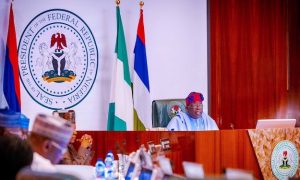
The Federal Government of Nigeria has once again assured citizens that it remains fully committed to stabilizing the nation’s economy despite the current financial challenges facing the country. Government officials say several policy measures are already in place to strengthen the economy, increase revenue, support businesses, and reduce the pressure on ordinary Nigerians.
According to government representatives, the economy has been under stress due to global economic changes, rising costs of goods, and other internal factors. However, they stressed that the administration is working steadily to address these issues and put Nigeria on a path of sustainable growth.
One of the key focus areas of the government is improving revenue generation. Officials explained that increasing government revenue is necessary to fund important sectors such as education, healthcare, infrastructure, and security. By boosting revenue, the government hopes to reduce borrowing and create a more balanced financial system that benefits everyone.
The government also highlighted its strong support for businesses, especially small and medium-sized enterprises (SMEs). These businesses are seen as the backbone of the economy because they provide jobs and help stimulate local production. Policies are being developed to make it easier for businesses to access funding, reduce operational costs, and operate in a more stable environment.
Another major goal is to encourage local production. Government officials believe that producing more goods within the country will reduce dependence on imports and help stabilize prices. By supporting local manufacturers and farmers, Nigeria can strengthen its supply chains and keep more money circulating within the economy.
At the same time, the Federal Government is working to attract foreign investment. Officials explained that foreign investors bring capital, technology, and expertise that can help grow the economy. To achieve this, the government is focusing on improving the ease of doing business, ensuring policy consistency, and creating a more investor-friendly environment.
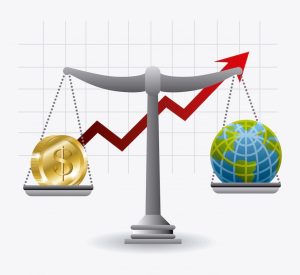
Economic Stability diagram
Reducing economic pressure on citizens remains a top priority. Government representatives acknowledged that many Nigerians are facing difficulties due to high living costs. They assured the public that policies are being designed to improve purchasing power and gradually ease financial burdens. These efforts include targeted social programs and economic reforms aimed at long-term stability.
Collaboration between the public and private sectors was also emphasized as an important strategy. The government believes that working closely with private companies will lead to better solutions, increased job creation, and improved service delivery. By combining government support with private sector innovation, economic growth can be more inclusive and effective.
Economic analysts have reacted positively to the government’s assurances but noted that consistent implementation is key. They explained that policies alone are not enough; proper execution and monitoring are necessary for real impact. Analysts believe that if the government remains committed and transparent, the economy can gradually recover and grow stronger.
Experts also pointed out that long-term economic stability requires patience. Reforms often take time before results become visible. However, with steady policies and clear communication, confidence among investors and citizens can improve over time.
Many Nigerians remain hopeful that these ongoing reforms will bring positive changes. Citizens are looking forward to better job opportunities, improved living conditions, and a more stable economy. While challenges still exist, there is growing optimism that consistent efforts by the government will lead to gradual improvement.
In conclusion, the Federal Government has reaffirmed its dedication to economic stability through revenue improvement, business support, local production, and investment attraction. Although the journey may not be easy, continued collaboration, policy consistency, and public trust are expected to play a major role in shaping Nigeria’s economic future.