Football has always been more than just a sport. In Nigeria, it is a passion that unites millions of people across Lagos, Abuja, Kano, Port Harcourt, Enugu, Ibadan, and beyond. Whether it’s supporting the Super Eagles, following European leagues, or discussing transfer news on social media, football is deeply woven into everyday life.
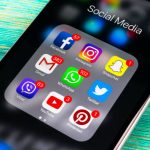
However, the rise of social media has also created a darker side to the game. Players, coaches, referees, and even fans increasingly face online abuse, racism, discrimination, threats, and hate speech. As major international tournaments approach, FIFA has announced stronger measures to combat online hate speech and protect participants from digital harassment.
The move comes as football authorities worldwide face growing pressure to address abusive online behavior that has affected players at the FIFA World Cup, Women’s World Cup, continental championships, and domestic leagues.
For Nigerian football fans and players, FIFA’s latest actions could influence how football conversations take place online while creating a safer environment for athletes and supporters.
What Is Online Hate Speech in Football?
Online hate speech refers to abusive, threatening, discriminatory, or offensive messages directed at individuals or groups based on race, ethnicity, nationality, religion, gender, disability, or other personal characteristics.
In football, hate speech often appears on social media platforms after matches, controversial referee decisions, missed penalties, or poor performances.
Examples include:
Racial abuse directed at players
Threats against referees and officials
Sexist comments aimed at female athletes
Religious discrimination
Harassment of players’ families
Targeted abuse based on nationality or ethnicity
Several high-profile footballers around the world have reported receiving thousands of abusive messages following major matches.
Why FIFA Is Increasing Its Efforts
FIFA has identified online hate speech as one of the fastest-growing challenges facing modern football.
Research conducted during recent international tournaments showed that players were frequently subjected to abusive content across major social media platforms.
According to FIFA and international football stakeholders, online abuse can have serious consequences, including:
Mental health challenges
Reduced player well-being
Damage to football’s reputation
Increased discrimination
Threats to player safety
Lower participation among vulnerable groups
FIFA President Gianni Infantino has repeatedly stated that football should be a space where everyone feels respected regardless of race, nationality, religion, or gender.
Major FIFA Competitions Under Increased Monitoring
The organization’s enhanced anti-hate initiatives are expected to cover several major competitions, including:
FIFA World Cup tournaments
FIFA Women’s World Cup
FIFA Club World Cup
Youth World Cups
Olympic football events supported by FIFA
International qualifiers
Monitoring efforts will focus on detecting abusive content before, during, and after matches.
How FIFA’s Online Protection System Works
One of FIFA’s most important tools is its Social Media Protection Service (SMPS).
The system uses technology to monitor social media accounts associated with players, coaches, referees, and football officials.
When potentially abusive messages are detected, they can be flagged, filtered, or reported before reaching the intended recipient.
The service aims to reduce direct exposure to harmful content while gathering evidence that may be useful for investigations.
Key Features of the System
Real-time monitoring of public comments
Detection of offensive language
Automatic filtering of abusive content
Protection for players and officials
Reporting mechanisms for severe violations
Data collection for enforcement purposes
Why This Matters to Nigerian Football
Nigerian footballers are among the most active African athletes on social media.
Stars representing the Super Eagles and Super Falcons often engage directly with supporters through platforms such as X, Instagram, TikTok, and Facebook.
While social media helps players connect with fans, it also exposes them to criticism and abuse.
Several Nigerian players have previously spoken about receiving negative messages after international matches, AFCON tournaments, World Cup qualifiers, and club competitions.
As Nigerian football continues to gain global visibility, stronger protections may benefit players competing both locally and internationally.
The Role of Technology in Fighting Online Abuse
Artificial intelligence is becoming a key weapon in the battle against online hate speech.
Modern monitoring systems can identify harmful language in multiple languages and flag suspicious content within seconds.
However, technology alone cannot solve the problem.
Human moderation remains important because context matters. A phrase that appears abusive in one situation may have a different meaning in another.
Football organizations increasingly combine AI systems with human review teams to improve accuracy.
Nigerian Current Affairs Quiz
Test your knowledge of major Nigerian and international developments shaping sports, politics, and society.
🧠 Nigerian Current Affairs Quiz
10 random questions on Nigerian governance, politics & current affairs
Test your knowledge on Nigerian government, states, policies and the road to 2027. 10 random questions per session from a 100-question bank.
Social Media Platforms Under Pressure
FIFA’s campaign also places pressure on major technology companies.
Football governing bodies have repeatedly called on social media platforms to strengthen enforcement against abusive behavior.
Key concerns include:
Slow removal of harmful content
Anonymous abusive accounts
Repeat offenders creating new profiles
Cross-platform harassment
Lack of consistent moderation standards
Many football organizations believe stronger cooperation between governing bodies and technology companies is necessary to create meaningful change.
The Impact on Fans
Most football fans discuss matches respectfully, but a small minority engage in abusive conduct that damages the experience for everyone.
For Nigerian supporters, stricter anti-hate measures are unlikely to affect normal football discussions.
Fans can still:
Criticize player performances
Debate tactical decisions
Discuss refereeing controversies
Support rival teams
Express opinions about matches
The focus is specifically on abusive, discriminatory, threatening, and hateful content rather than legitimate sporting debate.
Lessons from Previous Tournaments
Several recent international competitions highlighted the scale of online abuse in football.
Players who missed penalties or made costly mistakes often became targets of coordinated harassment campaigns.
Some athletes received thousands of abusive messages within hours of a match ending.
These incidents reinforced calls for stronger protective measures ahead of future competitions.
What Nigerian Football Authorities Can Learn
The Nigeria Football Federation (NFF), clubs in the Nigeria Premier Football League (NPFL), and other stakeholders can draw valuable lessons from FIFA’s approach.
Potential actions include:
Creating social media safety guidelines for players.
Providing mental health support.
Educating fans about responsible online behavior.
Monitoring abuse directed at players and officials.
Partnering with technology companies for reporting systems.
These measures could help improve the digital environment surrounding Nigerian football.
Balancing Free Speech and Protection
One challenge facing FIFA is balancing protection from abuse with freedom of expression.
Fans should be able to express opinions about matches and players without fear of censorship.
At the same time, athletes and officials deserve protection from threats, racism, discrimination, and harassment.
Most experts agree that clear rules and transparent enforcement are essential for maintaining this balance.
The Economic Side of the Issue
Online hate speech is not only a social problem—it can also affect the business of football.
Sponsors increasingly prefer to associate with competitions that promote inclusion and respect.
Negative publicity surrounding discrimination can harm brand value and reduce commercial opportunities.
By tackling online abuse, FIFA hopes to strengthen football’s global image and protect long-term commercial growth.
Full Tools Hub
Explore practical tools designed to help Nigerians stay informed about current affairs, finances, and everyday decision-making.
🇳🇬 Nigerian Tools
RealityGist Tools Hub
10 free tools for every Nigerian — calculators, quizzes, planners & more
🧮
Inflation Calculator
Find today's equivalent of any past Nigerian amount
›
📊
Naira Exchange Rate
Live USD, GBP & EUR to NGN converter with trend chart
›
🏦
PAYE Tax Calculator
Calculate your net take-home after tax & pension
›
🌧️
Weather by State
Current weather & 3-day forecast for all 36 states + FCT
›
⚡
Electricity Bill Estimator
Estimate your monthly NEPA/DisCo bill by appliance
›
🧠
Nigerian Current Affairs Quiz
Test your knowledge of Nigerian politics & governance
›
📅
Public Holidays Countdown
Live countdown + full 2026–2027 public holiday calendar
›
🏥
BMI & Health Risk
BMI with Nigerian diet & hypertension/diabetes tips
›
🏠
Mortgage Calculator
Monthly repayments & amortization for Nigerian property
›
🧾
Budget Planner
50/30/20 rule budget analyser for Nigerian living costs
›
🧮 Nigeria Inflation Calculator
Find the 2026 equivalent of any past Nigerian amount using NBS inflation data
2026 Equivalent
📊 Naira Exchange Rate Tracker
Live USD, GBP & EUR to NGN converter — no API key needed
Fetching live rate
NGN Equivalent
🏦 PAYE Tax Calculator
Calculate your net take-home after FIRS tax bands & 8% pension
🌧️ Nigerian Weather by State
Current conditions & 3-day forecast for all 36 states + FCT
Fetching weather data
⚡ Electricity Bill Estimator
Estimate your monthly kWh consumption & cost by DisCo tariff band
Tap appliances to add them, then set daily hours of use:
Estimated Monthly Cost
🧠 Nigerian Current Affairs Quiz
10 random questions on Nigerian governance, politics & current affairs
Test your knowledge on Nigerian government, states, policies and the road to 2027. 10 random questions per session from a 100-question bank.
📅 Nigerian Public Holidays Countdown
Live countdown to the next official holiday + full 2026 & 2027 calendar
Next Nigerian Public Holiday
—
🗓️ 2026 Public Holidays
🗓️ 2027 Public Holidays
🏥 BMI & Health Risk Calculator
Your BMI with Nigerian-specific diet & health risk advice
Monthly repayments, total cost & amortization chart
🧾 Nigerian Budget Planner
50/30/20 rule adapted for Nigerian living costs — with overspending alerts
What to Expect Ahead of Future Competitions
As major FIFA competitions approach, football stakeholders should expect increased monitoring, stronger enforcement, and expanded education campaigns.
Players, coaches, referees, and support staff will likely receive additional protection through FIFA’s digital monitoring systems.
Fans may also notice stronger moderation of comments and faster responses to abusive content on official football channels.
The overall goal is to create a football environment where passion and competition can thrive without discrimination or hate.
Conclusion
FIFA’s intensified fight against online hate speech reflects a growing recognition that modern football extends far beyond the pitch. As social media continues to shape how fans engage with the sport, protecting players, officials, and supporters from abuse has become a priority.
For Nigeria, where football remains one of the country’s most beloved sports, the initiative offers an opportunity to promote healthier online conversations and stronger respect for athletes. While technology can help detect harmful content, lasting progress will depend on cooperation among governing bodies, social media platforms, clubs, players, and fans.
The message from FIFA is clear: passionate football debate is welcome, but hate speech and abuse have no place in the game.
Frequently Asked Questions (FAQs)
What is FIFA doing about online hate speech?
FIFA is expanding its Social Media Protection Service, increasing monitoring of abusive content, and working with stakeholders to protect players and officials.
Can fans still criticize players online?
Yes. Constructive criticism and football discussions are allowed. FIFA’s efforts target hate speech, threats, racism, and harassment.
Does FIFA monitor social media during tournaments?
Yes. FIFA uses monitoring systems to identify potentially abusive content directed at players, coaches, referees, and officials.
How does online hate speech affect footballers?
It can impact mental health, confidence, well-being, and overall performance while creating unnecessary stress for athletes and their families.
Will Nigerian players benefit from FIFA’s new measures?
Yes. Nigerian players participating in FIFA competitions may receive additional protection from online abuse through FIFA’s monitoring and reporting systems.
What is FIFA’s Social Media Protection Service?
It is a system that monitors public social media content, identifies abusive messages, and helps protect football participants from online harassment.
For more practical tools to manage your finances and stay informed, explore the full Reality Gist Digital Tools Hub.
Emmanuel Benson is a Nigerian journalist and digital media writer with a keen interest in politics, economy, and everyday life across Nigeria and Africa. Based in Lagos, he covers breaking news, policy developments, and the stories that shape how Nigerians live and work.