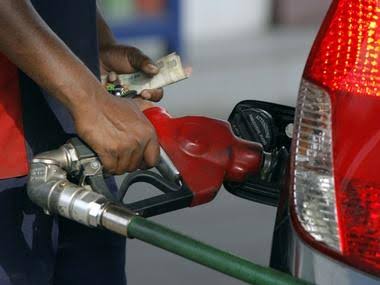
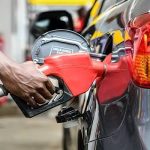
Fuel price adjustments have become one of the most discussed economic issues in Nigeria in recent times. As petrol, diesel, and cooking gas prices continue to rise, households, businesses, and communities are being forced to rethink how they live, move, and spend. While the situation has brought undeniable hardship, it has also pushed many Nigerians to become more creative, resilient, and financially cautious.
This article explores how Nigerians are adapting to rising fuel costs, the strategies people are using to cope, and what these changes mean for everyday life.
Why Fuel Prices Matter So Much in Nigeria
Fuel plays a central role in the Nigerian economy. Transportation, electricity generation, food distribution, and small businesses all depend heavily on fuel. Because power supply is unreliable in many areas, millions of households and businesses rely on generators. When fuel prices go up, the cost of living rises almost immediately.
Transport fares increase, food prices go up due to higher logistics costs, and small businesses struggle to maintain profits. As a result, fuel price adjustments affect nearly everyone, regardless of income level.
Changes in Transportation Habits
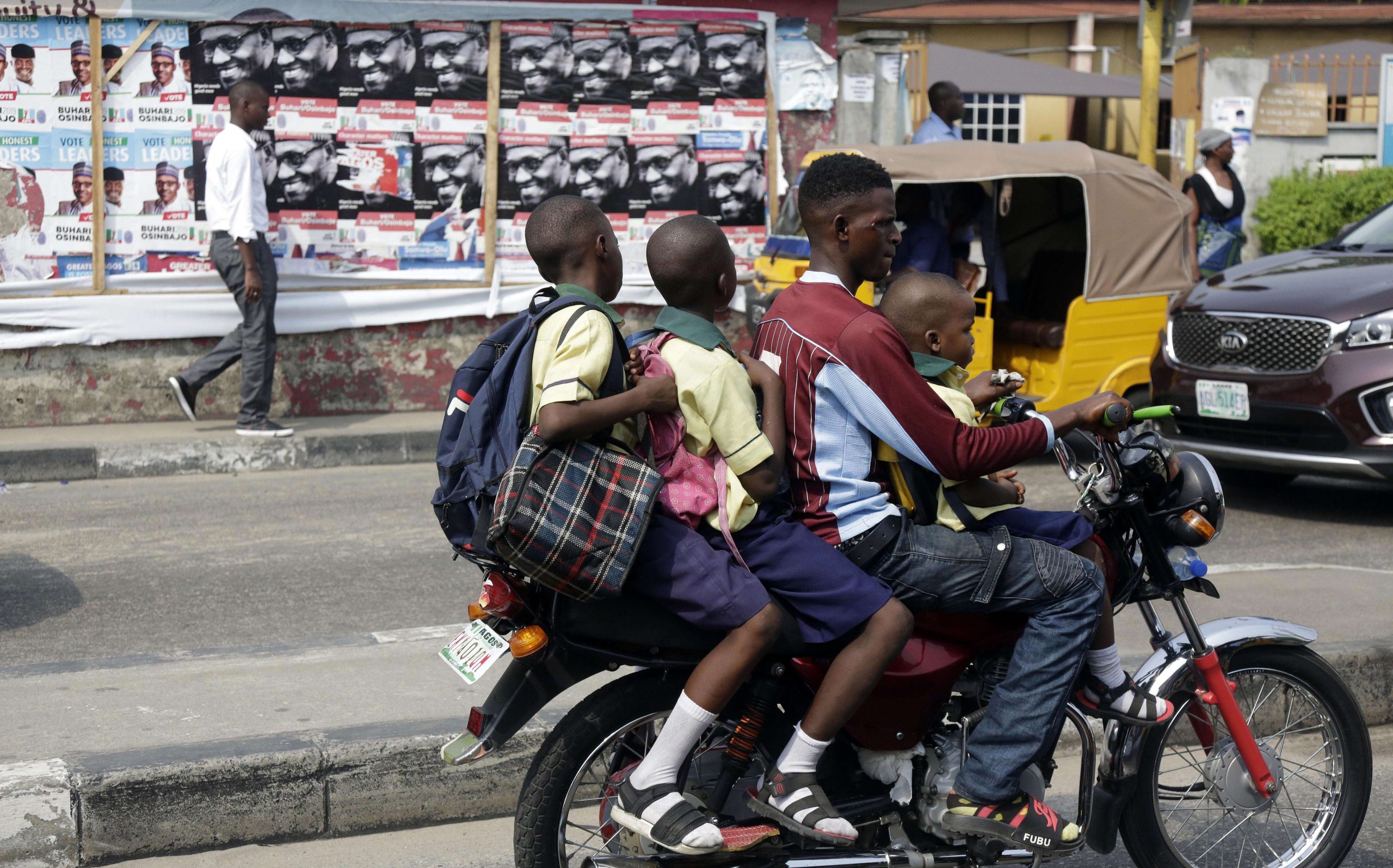
One of the most visible ways Nigerians are adapting is through changes in transportation habits. With higher petrol prices, many people are reducing unnecessary travel. Short trips that were once done by motorcycle or car are now done on foot when possible.
Public transportation has also become more popular. Buses, shared taxis, and commuter vans are now more crowded, as people look for cheaper alternatives to private vehicles. Some workers are adjusting their schedules to avoid peak-hour fares, while others are negotiating remote or hybrid work arrangements to cut down on daily commuting costs.
In cities, cycling is slowly gaining attention as a low-cost option, especially among young people. Although infrastructure remains a challenge, the rising cost of fuel is encouraging more conversations around alternative transport.
Businesses Adjusting to Higher Operating Costs
Small and medium-sized businesses are among the hardest hit by rising fuel prices. From hair salons to bakeries and phone charging centers, many businesses depend on generators to operate. As fuel costs rise, profit margins shrink.
To survive, some business owners are adjusting their pricing, though carefully, to avoid losing customers. Others are reducing operating hours to save fuel or switching off generators during low-traffic periods.
There is also a growing interest in alternative energy solutions. Some businesses are investing in solar power systems, despite the high initial cost. Over time, solar energy helps reduce dependence on fuel and provides more predictable operating expenses.
Household Budgeting and Lifestyle Changes
At the household level, Nigerians are becoming more intentional about spending. Many families are reviewing their monthly budgets and cutting back on non-essential expenses. Entertainment, frequent eating out, and luxury purchases are often the first to be reduced.
Cooking habits are also changing. With the cost of cooking gas and kerosene rising, some households are exploring more efficient cooking methods. Families are cooking in bulk to reduce fuel usage, while others are combining meals that require less cooking time.
In addition, families are prioritizing needs over wants. School fees, rent, food, and healthcare take priority, while discretionary spending is postponed or eliminated entirely.
Community Support and Shared Solutions
Rising fuel prices have also strengthened community cooperation in some areas. Carpooling among coworkers and neighbors is becoming more common. By sharing rides, individuals split fuel costs and reduce the financial burden on one person.
Neighbor sharing ride
In residential areas, some neighbors are pooling resources to invest in shared power solutions, such as community solar systems or shared generators. This approach helps reduce individual costs and ensures more stable access to electricity.
Informal support systems are also playing a role. Family members are supporting one another with transportation, food, or temporary accommodation to reduce expenses during tough periods.
Increased Interest in Renewable Energy
Fuel price adjustments are accelerating interest in renewable energy across the country. Solar panels, inverters, and rechargeable devices are becoming more popular, especially among middle-income households and small businesses.
While the upfront cost remains a challenge, many Nigerians now see renewable energy as a long-term investment rather than a luxury. The rising cost of fuel has made alternatives more attractive, as people seek solutions that offer stability and savings over time.
This shift could have positive long-term effects, including reduced fuel dependence and improved environmental outcomes.
Digital Solutions and Remote Work
Technology is also helping Nigerians adapt. More people are using digital tools to reduce physical movement. Online shopping, mobile banking, and digital payments help cut down on transportation costs.
Remote work and online businesses are gaining momentum. Freelancing, e-commerce, content creation, and digital services allow people to earn income without daily commuting. For many young Nigerians, this shift represents both a coping strategy and a new opportunity.
Emotional and Mental Adjustments
Beyond financial changes, rising fuel costs are also affecting emotional well-being. Many Nigerians feel stressed by the constant adjustments required to survive. However, resilience remains a strong trait.
People are learning to be patient, flexible, and hopeful. Conversations around financial literacy, savings, and alternative income streams are becoming more common, especially on social media and in community forums.
Looking Ahead
Fuel price adjustments are likely to remain part of Nigeria’s economic reality for some time. While the challenges are real, Nigerians continue to adapt in practical and innovative ways. From changing transportation habits to embracing renewable energy and digital solutions, the response shows resilience and determination.
Although rising fuel costs have made life more difficult, they are also pushing individuals and communities to rethink old habits and explore more sustainable options. In the long run, these adaptations may help build a more flexible and resourceful society.
As Nigerians continue to adjust, the focus remains on survival today while hoping for a more stable and affordable future tomorrow.