Fuel availability is gradually improving in many parts of the country after weeks of complaints from motorists and businesses. Recent reports show that petrol and other fuel products are now easier to find in several cities and towns, following steps taken by government authorities and industry regulators to fix distribution problems.
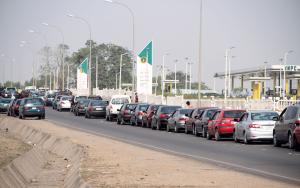
For some time, fuel scarcity had caused long queues at filling stations, higher transport costs, and frustration among citizens. Many people struggled to get fuel for their vehicles, generators, and small businesses. However, officials now say the situation is becoming more stable as new measures are being put in place.
According to government representatives, the main problem was not a total lack of fuel, but challenges in distribution and logistics. Delays in transporting fuel from depots to filling stations, combined with road issues and supply chain disruptions, created shortages in some areas. Authorities say these challenges are now being addressed more seriously.
To improve the situation, monitoring teams have been deployed across different regions. These teams are responsible for checking fuel stations, ensuring fair sales, and preventing hoarding. Hoarding occurs when marketers hide fuel to sell later at higher prices, which often worsens scarcity. Officials warned that filling stations caught engaging in such practices will face penalties.
Several residents have confirmed that fuel availability has improved. In some locations where queues were previously long, stations are now selling fuel more freely. Commercial drivers and transport operators have also reported shorter waiting times, which is expected to help reduce transport fares if the supply remains steady.
A commuter in one of the major cities said getting fuel used to take hours, but things have changed. “I can now buy fuel without sleeping at the station,” he said. Small business owners who rely on generators have also expressed relief, noting that improved fuel access helps them operate more smoothly.
Industry experts, however, have advised caution. They say while the current improvement is a positive sign, it must be sustained through continuous monitoring and better planning. According to them, fuel supply issues often return when oversight becomes weak or when demand suddenly rises.
Experts also pointed out that communication between regulators, marketers, and transporters is key. When supply plans are clear and information flows properly, panic buying can be avoided. Panic buying often makes situations worse, as people rush to buy more fuel than they need out of fear of scarcity.
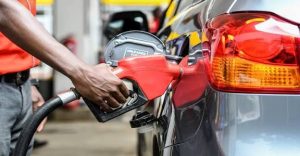
Photo for Fuel Scacity Illustration
Authorities have reassured the public that there is enough fuel in the system to meet demand. They urged citizens to remain calm and avoid unnecessary stockpiling. Officials believe that with cooperation from marketers and consumers, fuel supply will remain stable.
In addition, security agencies have been asked to support monitoring efforts, especially along major transport routes. This is to ensure that fuel trucks move freely and reach their destinations without interference. Road safety agencies are also working to improve traffic flow around fuel depots and busy stations.
The improvement in fuel supply is expected to have a positive effect on the economy. When fuel is readily available, transportation costs are lower, goods move faster, and businesses operate more efficiently. This can help reduce the pressure on household expenses and support economic activities.
Despite the progress, authorities acknowledge that challenges still exist. Poor road conditions, high operational costs, and global market changes can still affect fuel distribution. For this reason, officials say they are working on long-term solutions to prevent future shortages.
Members of the public are encouraged to report any cases of hoarding, overpricing, or unfair practices at filling stations. This feedback will help authorities respond quickly and keep the system balanced.
In conclusion, fuel availability is improving as authorities step up efforts to solve distribution problems. While the situation is not yet perfect, current signs suggest a move toward stability. Continued monitoring, responsible sales, and public cooperation will be necessary to maintain steady fuel supply across the country.