Eating healthy as a family does not have to be expensive or stressful. Many people believe nutritious meals are only for those with large food budgets, but this is not true. With the right planning, smart shopping habits, and simple cooking methods, families can enjoy balanced meals without overspending. This guide shares practical, budget-friendly tips to help families eat well while saving money.
Understand What “Healthy Eating” Really Means
Healthy eating is not about buying expensive superfoods or following strict diets. It simply means choosing a variety of foods that provide the nutrients your body needs to stay strong and energized. These include whole grains, fruits, vegetables, proteins, and healthy fats. Many of these foods are affordable and easy to find if you know where to look.
Focusing on simple, natural foods instead of highly processed items can improve both health and spending. Processed foods may seem cheap at first, but they often offer little nutrition and can cost more in the long run.
Plan Your Meals Ahead of Time
Meal planning is one of the most effective ways to eat healthy on a budget. Before going to the market, decide what meals your family will eat for the week. This reduces impulse buying and food waste.
Start by checking what you already have at home. Then create a shopping list based on your planned meals and stick to it. Planning also helps you avoid ordering takeout or buying snacks unnecessarily, which can quickly increase expenses.
Buy Seasonal and Local Foods
Seasonal fruits and vegetables are usually cheaper, fresher, and more nutritious. When foods are in season, they are more available and cost less because they do not require long storage or transportation.
Local markets often sell fresh produce at lower prices compared to large supermarkets. Buying local also supports small farmers and helps reduce food costs over time.
Choose Whole Foods Over Packaged Products
Whole foods like rice, beans, potatoes, eggs, vegetables, and fruits are often cheaper than packaged or ready-made meals. For example, cooking a pot of beans at home is far more affordable and healthier than buying canned or processed meals.
Whole grains such as brown rice, oats, and whole wheat flour are budget-friendly staples that can be used in many recipes. They are filling, nutritious, and last longer when stored properly.
Buy in Bulk When Possible
Buying in bulk can save money, especially for foods your family eats often. Items like rice, beans, lentils, oats, and frozen vegetables are usually cheaper when purchased in larger quantities.
However, only buy in bulk if you have enough storage space and are sure the food will be used before it spoils. This helps avoid waste and ensures real savings.
Cook at Home More Often
Home-cooked meals are almost always cheaper and healthier than eating out. Cooking at home allows you to control ingredients, portion sizes, and cooking methods.
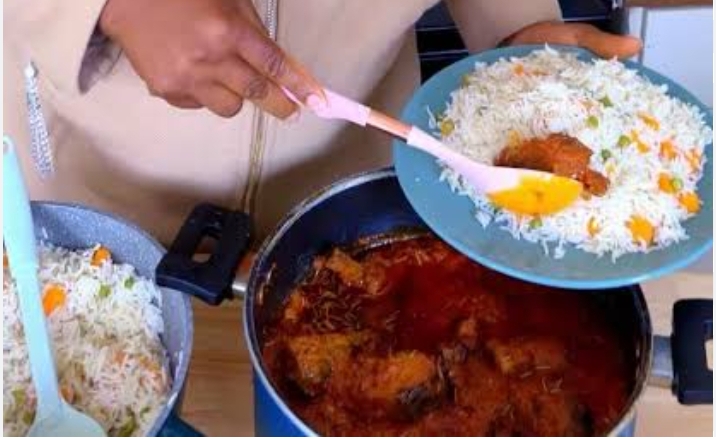
Healthy Home Made Food
You do not need fancy recipes to prepare healthy meals. Simple dishes like vegetable stir-fries, soups, stews, and rice-based meals are affordable and nutritious. Involving children in cooking can also teach them healthy habits and reduce picky eating.
Use Affordable Protein Sources
Protein is important for growth and energy, especially for children, but it does not have to be expensive. Affordable protein options include beans, lentils, eggs, peanuts, fish, and chicken parts like thighs or wings.
Plant-based proteins are often cheaper and can be just as nutritious as meat. Mixing plant and animal proteins helps reduce costs while maintaining balanced nutrition.
Reduce Food Waste
Food waste is one of the biggest reasons families overspend on groceries. To reduce waste, store food properly and use leftovers creatively.
Leftover rice can become fried rice, and extra vegetables can be added to soups or sauces. Labeling food with dates and organizing your fridge can also help ensure food is eaten before it goes bad.
Limit Sugary Drinks and Snacks
Sugary drinks, packaged snacks, and sweets can take up a large part of the food budget while offering little nutritional value. Replacing these with water, homemade drinks, fruits, or roasted snacks can save money and improve health.
Encouraging children to enjoy fruits, nuts, and homemade snacks helps build better eating habits without extra costs.
Teach Children Smart Eating Habits
Teaching children about healthy eating helps them make better choices as they grow. Explain why certain foods are good for their bodies and involve them in shopping and meal preparation.
When children understand food value, they are more likely to appreciate home-cooked meals and less likely to demand expensive or unhealthy options.
Keep It Simple and Flexible
Healthy eating on a budget does not require perfection. Some days will be better than others, and that is okay. Focus on progress, not pressure.
Being flexible with meals, using what is available, and adjusting plans when needed helps families stay consistent without stress. Over time, these small habits lead to better health and financial savings.
Final Thoughts
Healthy eating on a budget is achievable for every family with the right mindset and strategies. By planning meals, choosing whole and seasonal foods, cooking at home, and reducing waste, families can enjoy nutritious meals without overspending.
Good food does not have to be expensive. With smart choices and simple habits, healthy eating can become a sustainable and enjoyable part of family life.