Inflation has become one of the biggest economic challenges facing Nigerian households today. From food items to transportation, rent, healthcare, and education, prices continue to rise, forcing families to rethink how they spend their money. For many homes, inflation is no longer just an economic term discussed on the news; it is a daily reality that affects what ends up on the dining table and how bills are paid.
This article explains how inflation is changing household spending patterns across Nigeria, why it is happening, and how families are adjusting to survive these tough times.
Understanding Inflation in Simple Terms
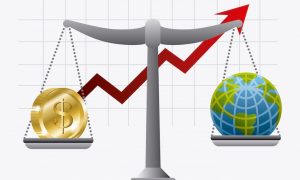
Inflation simply means a general increase in the prices of goods and services over time. When inflation rises faster than income, the value of money reduces. This means households can buy fewer items with the same amount of money they earned before.
In Nigeria, inflation has been driven by several factors such as higher fuel costs, exchange rate challenges, supply chain disruptions, insecurity affecting food production, and increased cost of imports. Together, these pressures have pushed prices upward across almost every sector.
Rising Food Costs and Household Budgets
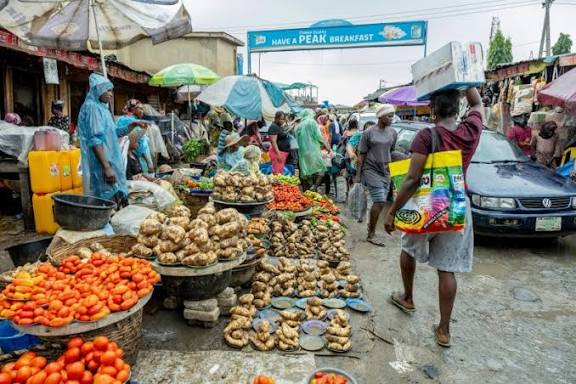
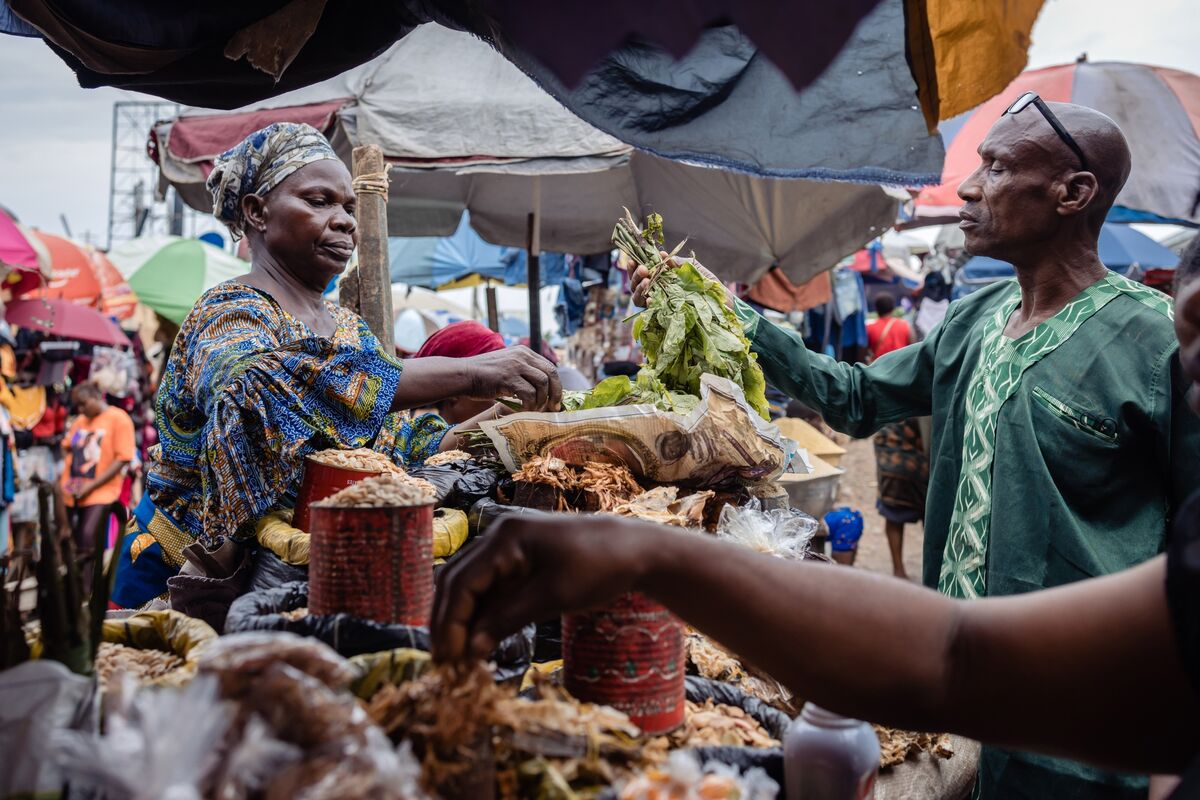
Food takes the largest share of household spending in most Nigerian homes. As inflation rises, food prices are usually the first to reflect the impact. Items like rice, beans, garri, cooking oil, vegetables, and meat have become significantly more expensive.
Many households are responding by:
• Reducing portion sizes during meals
• Switching from expensive protein sources like meat and fish to cheaper alternatives
• Cutting down on eating out and fast food
• Buying food in smaller quantities instead of bulk
For low- and middle-income families, food inflation has reduced diet quality and variety, making it harder to maintain balanced nutrition.
Transportation Costs Are Consuming More Income
Transportation is another major area affected by inflation. Rising fuel prices have increased the cost of public transport, motorcycle rides, and logistics. For households that depend on daily commuting for work, school, or business, transport now takes a larger share of monthly income.
As a result, many families are:
• Walking longer distances to save transport costs
• Reducing the number of trips they make each week
• Combining errands into one trip
• Shifting to cheaper transport options, even if less convenient
These changes may seem small, but over time they affect productivity, comfort, and overall quality of life.
Housing and Rent Pressures
Inflation has also affected housing costs across Nigeria. Rents are increasing in many urban and semi-urban areas due to higher maintenance costs, rising building material prices, and increased demand for housing.
Households are coping by:
• Moving to smaller apartments or less expensive neighborhoods
• Sharing accommodation with relatives or friends
• Delaying rent payments or renegotiating terms with landlords
For families already struggling, higher rent leaves less money for food, healthcare, and savings.
Healthcare and Education Spending Under Stress
Healthcare costs have risen sharply due to higher prices of drugs, medical equipment, and hospital services. Many households now delay hospital visits or rely more on self-medication and local pharmacies.
Similarly, education expenses such as school fees, uniforms, books, and transportation have increased. Parents are forced to make difficult choices, including:
• Moving children from private schools to public schools
• Delaying payment of school fees
• Cutting back on extra lessons and educational materials
These decisions may have long-term effects on health outcomes and educational quality.
Reduced Savings and Increased Debt
One major impact of inflation is the decline in household savings. As daily expenses increase, many families are spending almost all their income just to survive. Savings meant for emergencies, business investment, or future plans are being used to cover basic needs.
At the same time, more households are relying on:
• Borrowing from friends and family
• Informal loans and cooperative societies
• Short-term credit options
While borrowing helps in the short term, it can create long-term financial pressure if income does not improve.
File Photo: Illustrating Debtor
Changing Consumer Behavior and Lifestyle Adjustments
Inflation is also changing how Nigerians shop and consume. Households are becoming more price-conscious and careful with spending decisions. Common adjustments include:
• Comparing prices across markets and stores
• Choosing local and generic brands over imported ones
• Waiting for discounts or promotions before buying items
• Repairing items instead of replacing them
These changes show how households are adapting creatively to economic pressure, even though the stress remains high.
Impact on Small Businesses and Informal Income Earners
Many Nigerian households depend on small businesses or informal jobs for income. Inflation affects them in two ways: higher operating costs and reduced customer spending. When households cut back on spending, small businesses record lower sales, which further reduces household income.
This cycle makes it difficult for families to recover financially and increases economic uncertainty.
How Households Can Cope With Inflation
While inflation is largely beyond individual control, households can take steps to reduce its impact:
• Create a simple monthly budget and track expenses
• Focus spending on essential needs
• Explore additional income sources, such as side hustles
• Buy local products where possible
• Join cooperative savings groups for support
Financial discipline and planning can help households manage limited resources more effectively.
Conclusion
Inflation is reshaping household spending across Nigeria in powerful ways. Rising prices of food, transport, housing, healthcare, and education are forcing families to adjust their lifestyles and priorities. While many households are finding ways to cope, the pressure remains intense, especially for low-income earners.
Understanding these changes is important for making informed financial decisions and advocating for policies that protect household welfare. As Nigerians continue to adapt, resilience and smart money management remain key tools for surviving in an inflation-driven economy.