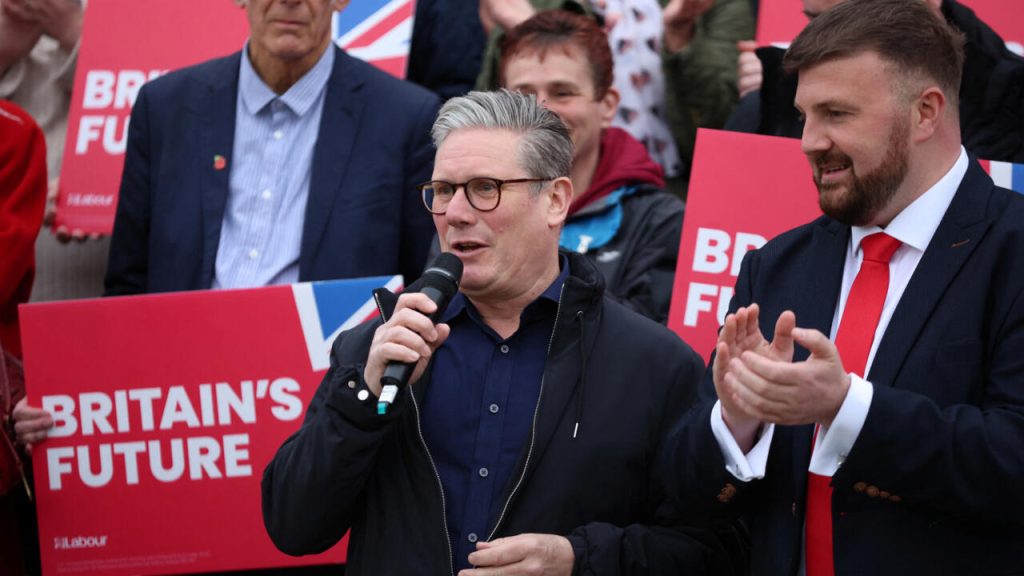
The UK Labour Party leadership debate has once again placed the spotlight on the future direction of one of Britain’s major political parties. Leadership contests within political parties are always significant, but for Labour, they often shape not just internal policy decisions but also the wider national conversation.
As the party prepares for future electoral challenges, the leadership discussion has focused on unity, economic policy, social reform, and public trust. Supporters, analysts, and political observers across the United Kingdom are paying close attention to what this debate could mean for the country’s political landscape.
Why the Leadership Debate Matters
The Labour Party has long played a central role in British politics. When the party reviews or contests its leadership, it is usually a sign of reflection, renewal, or repositioning. Leadership debates allow candidates to present their vision for the party’s future and outline how they plan to address the concerns of voters.
These debates also provide party members with the opportunity to evaluate experience, competence, and communication skills. In a competitive political environment, leadership is not just about policy knowledge; it is also about credibility and the ability to connect with citizens.
For many voters, the debate is an opportunity to better understand what the party stands for and how it plans to respond to current economic and social challenges.
Key Issues Discussed
Several major issues have dominated the leadership discussion. Economic management remains at the center of the debate. Candidates have spoken about inflation, public spending, taxation, and strategies for economic growth. The focus has largely been on balancing fiscal responsibility with social investment.
Healthcare is another important topic. The future of the National Health Service (NHS) continues to generate attention. Leadership hopefuls have discussed funding, staffing, and long-term sustainability. The NHS is widely regarded as a cornerstone of British public life, and any proposed reforms attract strong public interest.
Education policy has also featured prominently. Discussions have included improving school standards, supporting teachers, and expanding access to higher education and vocational training. Many candidates emphasize the importance of preparing young people for a changing job market.
Climate policy and environmental sustainability have gained increased visibility as well. Leadership candidates have highlighted renewable energy, green jobs, and commitments to reducing carbon emissions, reflecting the growing importance of environmental issues in national politics.
Unity Within the Party
One consistent theme in the leadership debate has been party unity. After periods of internal disagreement in previous years, many members see unity as essential for electoral success. Leadership candidates have stressed the importance of bringing together different wings of the party and focusing on shared goals.
Political experts note that unity often plays a major role in voter confidence. A party that appears stable and focused is more likely to attract undecided voters. As a result, candidates have emphasized collaboration and constructive dialogue.
Public Trust and Communication
Rebuilding and maintaining public trust has also been central to the debate. In recent years, trust in political institutions across many countries has fluctuated. Labour leadership hopefuls have spoken about transparency, accountability, and responsible governance.
Clear communication has been another focus. Modern political campaigns rely heavily on digital platforms, media engagement, and public events. Candidates are aware that messaging must be consistent and relatable to resonate with voters from different backgrounds.
The Broader Political Context
The leadership debate does not occur in isolation. It takes place within the broader context of UK politics, economic recovery efforts, and international developments. Political observers suggest that whoever emerges as leader will need to respond to both domestic concerns and global challenges.
Foreign policy, trade relationships, and international cooperation may also shape the party’s direction. While domestic policy tends to dominate leadership debates, global issues remain part of the overall conversation.
What Comes Next?
As party members consider their choice, attention turns to the future strategy of the Labour Party. The outcome of the leadership process could influence campaign messaging, policy priorities, and the party’s public image.
Regardless of individual viewpoints, leadership debates serve an important democratic purpose. They encourage discussion, accountability, and transparency within political parties. They also give citizens insight into how political decisions are shaped.
In the months ahead, political analysts will continue to examine how the leadership debate affects public opinion and party organization. For now, the conversation within the Labour Party highlights a broader theme in modern politics: leadership is not only about guiding a party but also about shaping national direction.
As the debate continues, voters across the UK will be watching closely to see how the party positions itself for the future and how its leadership vision aligns with the concerns of the wider public.