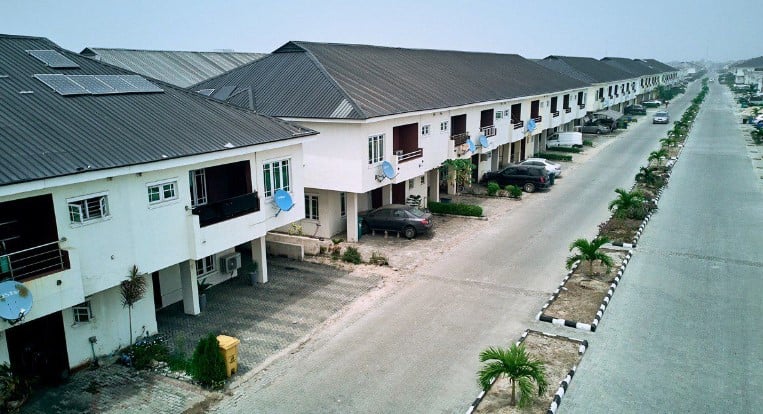
Residents of Lagos are increasingly voicing frustration over the steady rise in rent prices across the city, a trend many say is putting unbearable pressure on households. From low-income earners to middle-class families, the cost of securing decent accommodation has become a major concern, sparking conversations both online and offline about housing affordability in Nigeria’s commercial capital.
A Growing Housing Challenge in Lagos
Lagos has always been known for its fast-paced lifestyle and high cost of living. However, in recent years, rent increases have moved from being occasional adjustments to becoming almost annual occurrences. Many tenants report that landlords now demand higher rent even when there are no significant improvements to the property.
In areas such as Ikeja, Surulere, and parts of Lekki, residents say rents have doubled within a few years. What was once considered affordable for an average worker is now out of reach for many families.
According to several tenants, the situation is forcing people to relocate to the outskirts of the city, leading to longer commute times and increased transportation costs.
Voices From Affected Residents
For many Lagos residents, rent increases come with little warning. Tenants often receive short notices demanding higher payments or face eviction if they cannot comply. This has created fear and uncertainty, especially for families with children and small business owners who rely on proximity to their workplaces.
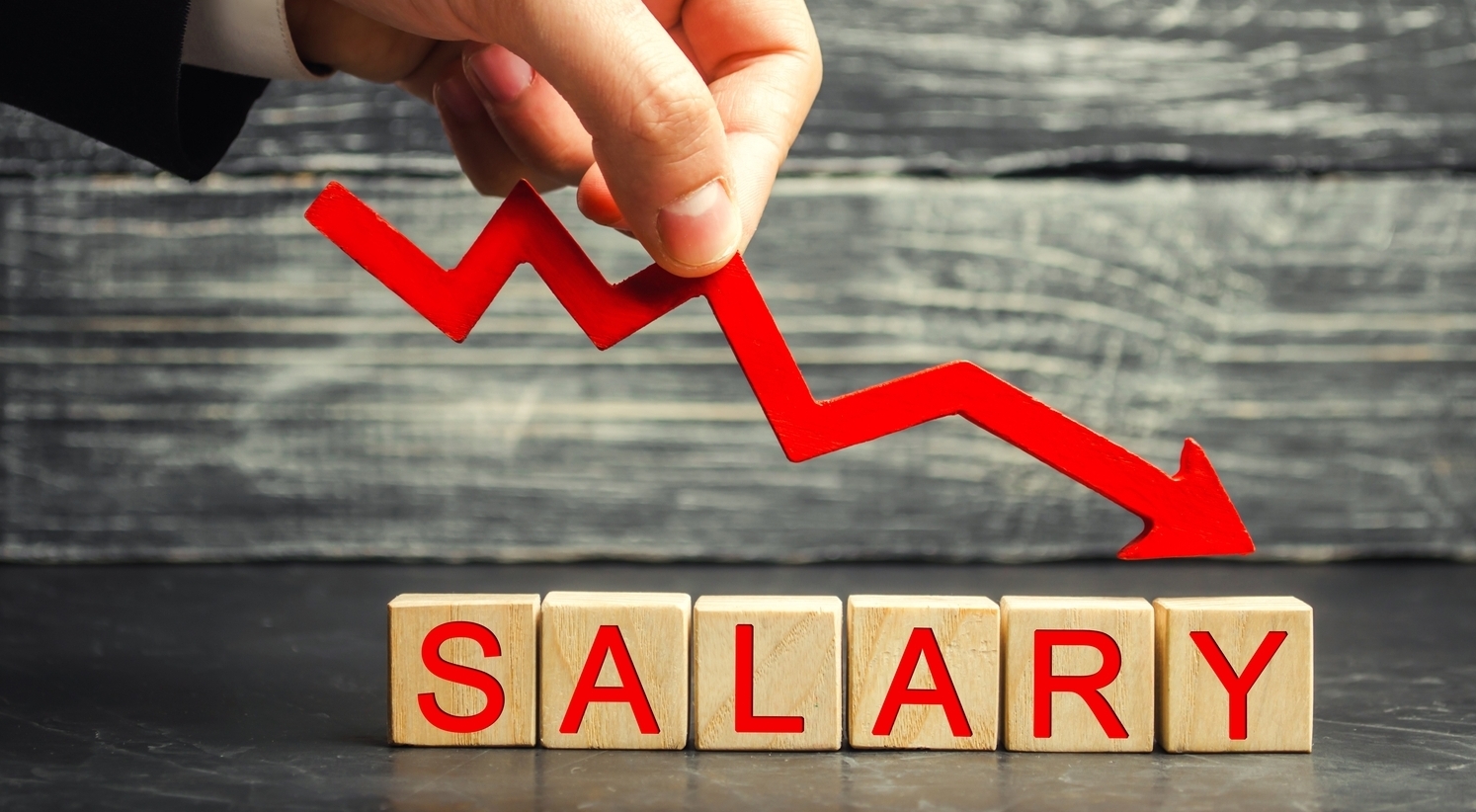
A civil servant living on the mainland shared that her rent increased by over 40 percent in one year, despite no renovations being done to the building. She explained that her salary has not increased at the same rate, making it difficult to balance rent, school fees, food, and transportation.
Similarly, young professionals renting apartments close to business districts say a large portion of their monthly income now goes into housing, leaving little room for savings or emergencies.
Reasons Behind Rising Rent Costs
Several factors are believed to be driving the surge in rent prices across Lagos. One major issue is inflation, which has affected building materials, maintenance costs, and property taxes. Landlords argue that they are simply adjusting rents to reflect the rising cost of maintaining properties.
Another factor is the growing population of Lagos. As more people move into the city in search of better opportunities, the demand for housing continues to rise, while supply struggles to keep up. This imbalance allows landlords to charge higher rents, knowing there will always be someone willing to pay.
In addition, limited access to affordable housing finance has slowed down large-scale housing development, further tightening the rental market.
Impact on Low- and Middle-Income Earners
The impact of rising rent costs is being felt most strongly by low- and middle-income earners. Many families now live in smaller spaces or share apartments to reduce costs. Others have moved to less developed areas where rent is cheaper, but basic infrastructure such as roads, electricity, and water may be lacking.
Low and middle salary earner
For students and young workers, renting close to schools or workplaces is becoming increasingly difficult. This often results in longer daily commutes, which affect productivity, health, and overall quality of life.
Experts warn that if the trend continues, housing insecurity could become a more serious social issue, with more people struggling to find stable and safe accommodation.
Calls for Government Intervention
As complaints grow louder, many residents are calling on the Lagos State Government to step in. Some believe there should be clearer regulations on rent increases, including limits on how often landlords can raise rent and by how much.
Housing advocates also suggest that the government should invest more in affordable housing projects and create incentives for private developers to build low-cost rental units. They argue that such measures could help balance supply and demand, easing pressure on tenants.
In the past, discussions about rent control laws have surfaced, but enforcement remains a challenge. Residents say stronger monitoring and enforcement mechanisms are needed to protect tenants from arbitrary rent hikes.
Landlords Share Their Perspective
While tenants express frustration, some landlords say they are also struggling. Property owners point to rising costs of building materials, property maintenance, security, and utilities. They argue that without adjusting rent, it becomes difficult to keep properties in good condition.
However, tenants counter that rent increases should be reasonable and reflect actual improvements, not just market pressure. This difference in perspective highlights the need for better communication and fair policies that consider both sides.
Looking Ahead
The issue of rising rent costs in Lagos is unlikely to disappear anytime soon. As the city continues to grow, the pressure on housing will remain unless deliberate steps are taken to address affordability. Urban planners, policymakers, landlords, and tenants all have roles to play in finding lasting solutions.
For now, many Lagos residents are adapting as best as they can—downsizing, relocating, or negotiating payment plans with landlords. Still, there is widespread agreement that housing should be more accessible and affordable for the average citizen.
Until meaningful action is taken, rising rent costs will continue to shape conversations about living in Lagos, influencing where people live, how they work, and the quality of life they can afford.