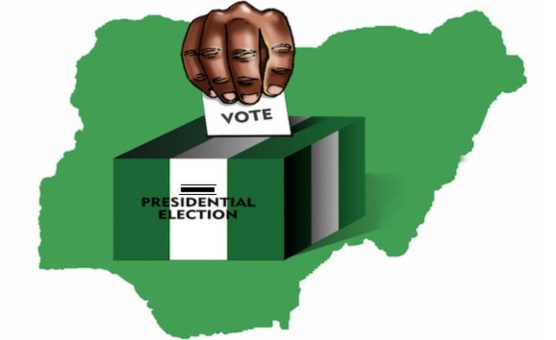
Nigeria is gradually moving closer to the 2027 general elections, and the release of the official election timetable has started shaping conversations across the country. The finalized schedule provides political parties, candidates, civil society groups, and voters with a clearer picture of how the electoral process will unfold in the coming months and years.
For a country with over 200 million people and a vibrant democratic system, setting a clear election timetable is a major step. It helps to ensure transparency, accountability, and proper planning. With the 2027 elections on the horizon, stakeholders are now preparing for what is expected to be another significant moment in Nigeria’s democratic journey.
Why the Election Timetable Matters
An election timetable is more than just a list of dates. It serves as a roadmap for the entire electoral process. From party primaries to voter registration deadlines and campaign periods, every activity is guided by the schedule released by the electoral body.
For political parties, the timetable helps them organize internal processes such as selecting candidates and planning campaigns. For voters, it provides important dates for registration, collection of voter cards, and election day itself. Civil society organizations and election observers also rely on the timetable to plan voter education and monitoring activities.
A well-structured timetable promotes fairness by giving all political actors equal time to prepare. It also reduces confusion and last-minute changes that could disrupt the electoral process.
Key Phases in the 2027 Election Calendar
While the full details of the 2027 timetable cover many technical stages, some of the major phases are already attracting attention.
1. Voter Registration and Updates
One of the first steps in the electoral process is voter registration. Eligible citizens who have turned 18, as well as those who need to update their details, are expected to take advantage of this window. This phase is crucial because it determines who can legally participate in the election.
2. Party Primaries and Candidate Selection
Political parties will conduct their primaries to select candidates for various positions, including President, Governors, Senators, and Members of the House of Representatives. The timetable sets clear deadlines for these primaries to ensure that parties submit their candidates on time.
3. Campaign Period
Once candidates are confirmed, the official campaign period begins. During this time, candidates present their plans and programs to the public. Campaign activities are regulated by law to ensure they are peaceful and issue-based.
4. Election Day
The highlight of the timetable is election day. On this day, registered voters across the country will cast their ballots to choose their preferred leaders. Security agencies, election officials, and observers will play key roles in ensuring the process is orderly.
5. Announcement of Results and Post-Election Processes
After voting, results are collated and announced according to established procedures. The timetable also outlines deadlines for resolving any electoral disputes through the appropriate legal channels.
Preparation by Political Parties
With the timetable now finalized, political parties are expected to intensify preparations. Internal consultations, coalition talks, and strategy meetings are likely to increase in the coming months.
Parties must also comply with regulations on campaign finance, advertising, and public conduct. Observers believe that early preparation can help reduce internal conflicts and strengthen party unity ahead of the polls.
For new and smaller parties, the clear schedule provides an opportunity to build grassroots support and present alternative ideas to voters.
The Role of the Electoral Body
Nigeria’s electoral body plays a central role in implementing the timetable. From updating the voter register to training ad hoc staff and deploying election materials, the commission’s responsibilities are extensive.
In recent election cycles, the use of technology has become more prominent. Innovations such as electronic voter accreditation and result transmission systems have been introduced to improve transparency. Many Nigerians will be watching closely to see how these tools are applied in 2027.
Continuous engagement with stakeholders, including political parties and civil society groups, is also expected to strengthen confidence in the process.
What Voters Should Do Now
Although 2027 may seem far away, the release of the timetable means preparation has already begun. Citizens are encouraged to stay informed through official channels and credible news sources.
Young Nigerians who will be eligible to vote for the first time should pay attention to voter registration announcements. Civic education and peaceful participation remain essential parts of a healthy democracy.
Community leaders, religious groups, and youth organizations can also play a role by promoting peaceful dialogue and discouraging misinformation.
Economic and Social Implications
General elections in Nigeria often influence economic and social discussions. Investors, businesses, and international partners usually monitor the political climate closely. A transparent and well-organized electoral process can boost investor confidence and strengthen Nigeria’s global image.
On the social side, elections provide an opportunity for citizens to debate national priorities such as economic growth, education, healthcare, and security. The 2027 timetable sets the stage for these conversations to unfold in an orderly manner.
Looking Ahead
As Nigeria prepares for the 2027 elections, the finalized timetable represents a key milestone. It signals the beginning of another democratic cycle and provides structure for all stakeholders involved.
The coming months will likely see increased political activity, policy discussions, and public engagement. While challenges are always possible in any large-scale election, careful planning and adherence to the timetable can help ensure a credible process.
Ultimately, the success of the 2027 elections will depend not only on institutions but also on the participation and conduct of citizens, political actors, and community leaders. By staying informed and engaged, Nigerians can contribute to a peaceful and transparent electoral process.
The road to 2027 has officially begun, and with the timetable in place, the nation moves one step closer to another important chapter in its democratic journey.