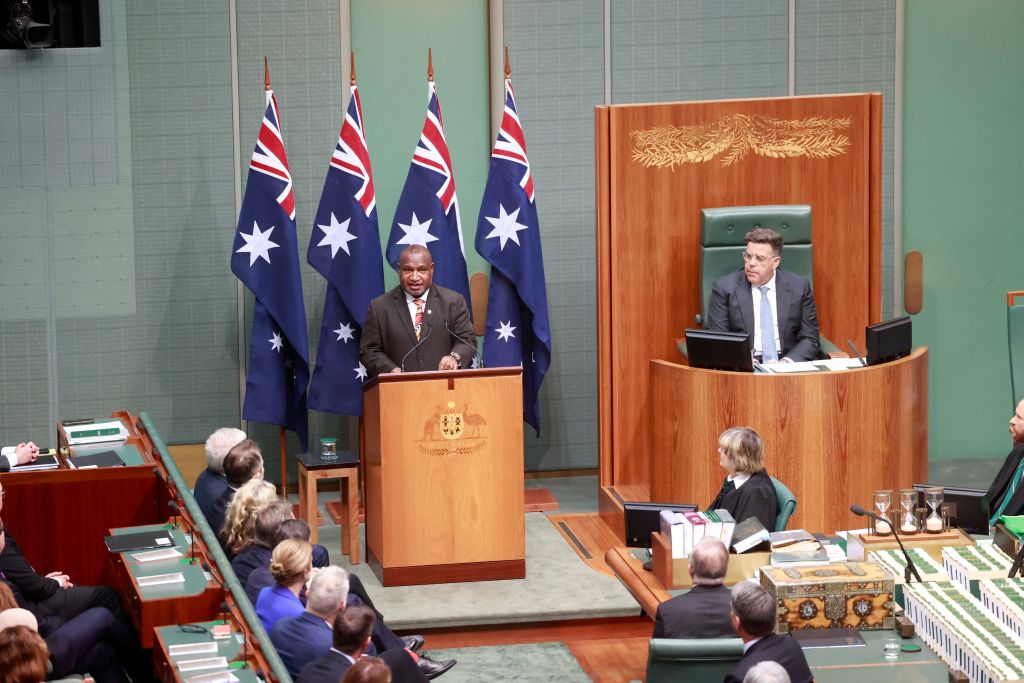
Australia’s political landscape has once again been shaken by internal tensions within the country’s main opposition party. In recent weeks, disagreements over leadership style, policy direction, and election strategy have sparked public debates and raised questions about unity within the party. For voters watching closely, this turmoil highlights the challenges political parties face as they prepare for future elections in a rapidly changing environment.
While political disagreements are not new in Australia, the current situation appears more intense due to the timing. With national elections always on the horizon and public trust in political institutions under constant scrutiny, internal conflicts can quickly become headline news. For the opposition, maintaining a strong and united front is essential if it hopes to present itself as a credible alternative government.
Leadership Questions at the Center
At the heart of the turmoil are concerns about leadership. Some members within the party have reportedly expressed dissatisfaction with the current leader’s performance, particularly in opinion polls and parliamentary debates. Critics argue that the party needs a more dynamic strategy to connect with voters on key issues such as the economy, cost of living, national security, and climate policy.
Supporters of the leader, however, believe stability is crucial. They argue that changing leadership too often can create confusion among voters and weaken the party’s long-term goals. Leadership challenges in Australia’s political history have sometimes resulted in short-term media attention but long-term damage to public confidence.
Political analysts note that leadership tensions often reflect deeper ideological divisions within a party. In this case, differences between moderate and conservative factions appear to be shaping the current debate. While these differences can encourage healthy discussion, they can also create public divisions if not managed carefully.
Policy Direction and Internal Divisions
Beyond leadership concerns, policy disagreements are also contributing to the turmoil. Members of the opposition party are debating how strongly they should position themselves on issues such as climate action, energy transition, taxation, and social policies.
Australia faces significant economic and environmental challenges. Rising living costs have become a top concern for many households. As a result, the opposition is under pressure to present clear and practical solutions. Some members believe the party should adopt more centrist policies to attract undecided voters, while others argue for a stronger conservative stance to maintain core supporters.
These debates are common in major political parties around the world. However, when disagreements become public, they can give the impression of instability. Voters often prefer parties that demonstrate unity and a clear plan for governance.
Public Perception and Electoral Impact
Public perception plays a crucial role in political success. Opinion polls, media coverage, and social media discussions all influence how voters view political parties. When internal disputes dominate headlines, they can overshadow policy proposals and weaken campaign messaging.
For the opposition party, the challenge is to refocus attention on national issues rather than internal conflict. Political strategists suggest that clear communication and a unified policy platform are essential in rebuilding public confidence.
Australia’s political system is known for its competitive elections and active media environment. Opposition parties must balance internal democracy with the need for external discipline. While open debate is a sign of a healthy democracy, prolonged infighting can reduce voter trust.
The Role of Party Unity
Party unity has long been considered a key factor in electoral success. History shows that divided parties often struggle at the ballot box. Voters may hesitate to support a party that appears uncertain about its leadership or direction.
To move forward, party leaders may need to hold internal discussions behind closed doors to resolve disagreements. Compromise and negotiation are common tools in political organizations. By presenting a clear and consistent message to the public, the opposition can shift focus back to national priorities.
Some observers believe that the turmoil could ultimately strengthen the party if it leads to clearer policies and renewed energy. Political debates, when handled constructively, can help refine strategies and clarify goals.
Broader Political Context
The current political climate in Australia adds another layer to the situation. Global economic uncertainty, regional security concerns, and climate-related challenges require strong leadership and effective governance. Both the government and the opposition face pressure to respond to these complex issues.
In this context, voters are likely to prioritize stability and practical solutions. Political parties that demonstrate unity and forward-thinking policies may have an advantage. The opposition’s ability to resolve internal tensions and present a cohesive plan will be closely watched in the coming months.
What Happens Next?
The future of Australia’s opposition party depends on how it manages this period of unrest. Leadership reviews, policy conferences, and strategic planning sessions may shape the next chapter. Whether the current leader retains full support or new candidates emerge, the outcome will influence the party’s direction.
For voters, political turmoil can be both concerning and revealing. It offers insight into how parties handle pressure and disagreement. Ultimately, the strength of a democracy lies in its ability to accommodate debate while maintaining respect for institutions and the rule of law.
As Australia continues to navigate economic and social challenges, the opposition party’s internal dynamics will remain an important part of the national conversation. How it responds to this moment could determine its readiness for future elections and its role in shaping Australia’s political future.