Abuja, Nigeria’s capital city, is often praised for its modern layout and planned development. Unlike many older cities that grew organically over time, Abuja was designed with wide roads, zoning systems, and transport corridors meant to support smooth movement. Despite this advantage, public transportation in the city continues to face several challenges that affect residents, workers, and visitors on a daily basis.
Public transport in Abuja is largely dependent on road-based options. These include taxis, ride-hailing services, minibuses, and government-supported mass transit buses. While these options provide flexibility and availability across many districts, they are not always reliable or affordable for everyone. For many residents, especially low- and middle-income earners, daily commuting can be stressful and unpredictable.
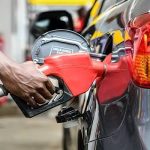
One of the most common complaints among Abuja residents is inconsistent pricing. Taxi fares often change depending on the time of day, traffic situation, or negotiation skills of the passenger. During rush hours or periods of fuel scarcity, transport costs can rise sharply. This lack of standardized pricing makes budgeting difficult for regular commuters and discourages wider use of public transport.
Another major concern is long waiting times. In some parts of the city, especially during early mornings and evenings, commuters may wait extended periods before finding a bus or taxi. This problem is more noticeable in satellite towns such as Kubwa, Nyanya, Lugbe, and Gwagwalada, where the demand for transport often exceeds supply. Many workers living in these areas must leave home very early to avoid delays that could affect their work schedules.
A notable step forward in Abuja’s transport system is the Abuja Light Rail project. The rail system was introduced to reduce pressure on roads and provide a faster, more reliable alternative for commuters. It connects key areas, including the city center and the airport. Although the rail service has faced interruptions and limited coverage, many residents see it as a promising solution if operations become more consistent and the network is expanded to cover more districts.
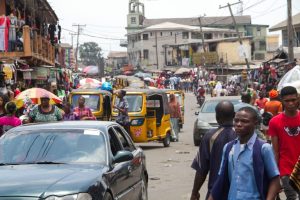
Bus services in Abuja present a mixed picture. Government-backed mass transit buses are generally more affordable and structured compared to private operators. However, their numbers are limited and often insufficient to meet the growing population’s needs. As a result, private bus operators dominate many routes. While they help fill the gap, these buses often operate without fixed timetables, designated stops, or uniform fares, making the system less organized.
Connectivity remains another major challenge. Some residential areas do not have direct transport links to major employment zones. Commuters in such areas may need to take two or three different vehicles to reach their destination. This increases both travel time and transportation costs. Poor connectivity also affects access to essential services such as healthcare, education, and markets.
Transportation issues in Nigeria
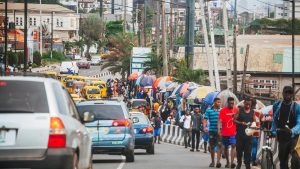
Safety and comfort are additional issues that influence how residents perceive public transportation. Overcrowding during peak hours is common, and some vehicles are poorly maintained. The absence of well-designed bus stops and shelters means passengers often wait by the roadside, exposed to weather conditions. These factors reduce the overall appeal of public transport and push many residents toward private car ownership.
The increasing use of private vehicles has contributed significantly to traffic congestion in Abuja. Major roads such as the Airport Road, Nyanya-Karu corridor, and central business district routes often experience heavy traffic during peak periods. This not only wastes time but also increases fuel consumption and environmental pollution.
Residents have consistently expressed the need for an improved and integrated transport system. Many suggest expanding the rail network to cover more satellite towns and high-density areas. Others call for an increase in government-regulated buses with clear routes, schedules, and fixed fares. The introduction of digital payment systems is another popular suggestion, as it would improve transparency, reduce disputes over fares, and make commuting more convenient.
Effective public transportation plays a crucial role in economic growth, social inclusion, and environmental sustainability. For a capital city like Abuja, a well-functioning transport system is essential to support its role as Nigeria’s administrative and political center. With proper planning, investment, and management, Abuja has the potential to develop a public transportation system that is efficient, affordable, and accessible to all residents.
As the city continues to grow, addressing these transport challenges will be key to improving quality of life and ensuring sustainable urban development.