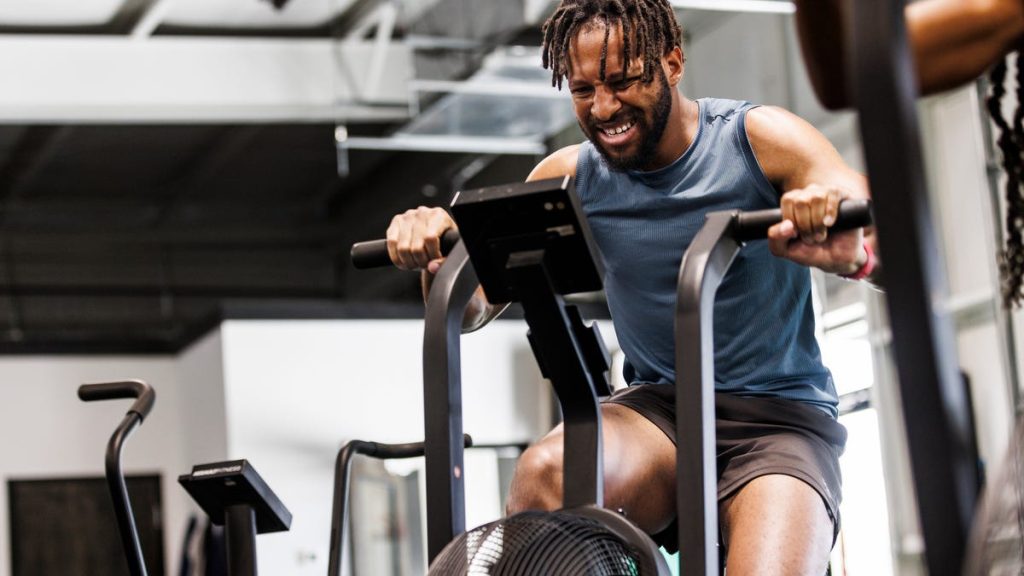
In recent years, fitness culture has moved from being a niche lifestyle to a mainstream trend among young Nigerians. Across major cities and even smaller towns, more youths are embracing exercise, healthy eating, and overall wellness as part of their daily lives. This growing interest in fitness is not just about looking good; it reflects a deeper shift in mindset toward health, confidence, and long-term well-being.
A Shift in Lifestyle and Mindset
Traditionally, fitness was often associated with professional athletes or bodybuilders. Today, young Nigerians see fitness as something for everyone. From university students to young professionals, many people now prioritize physical activity as a way to manage stress, boost energy, and stay healthy.
This shift is driven by increased awareness of lifestyle-related health issues such as obesity, high blood pressure, and diabetes. Young people are becoming more informed about how daily habits affect their future health, and fitness is seen as a proactive solution rather than a luxury.
The Influence of Social Media and Digital Platforms
Social media has played a major role in promoting fitness culture among Nigerian youths. Platforms like Instagram, TikTok, and YouTube are filled with workout videos, healthy meal ideas, and fitness challenges. Young Nigerians follow local fitness enthusiasts who share realistic routines, home workouts, and motivational stories.
Unlike traditional advertising, social media content feels more relatable. Seeing someone with a similar background, body type, or schedule succeed in their fitness journey inspires others to start. Online fitness communities also provide support, accountability, and encouragement, making it easier to stay consistent.
Rise of Affordable Gyms and Outdoor Workouts
Another factor driving the fitness movement is improved access to workout spaces. While luxury gyms exist, many affordable gyms have opened in neighborhoods across Nigeria. These gyms cater to young people with flexible pricing, basic equipment, and group training sessions.
Outdoor workouts have also become popular. Parks, open fields, and even school playgrounds are now used for jogging, aerobics, and group exercises. Activities like morning walks, skipping, cycling, and street workouts are gaining attention because they require little or no money.
This accessibility has helped remove the idea that fitness is only for the wealthy.
Changing Perception of Body Image
Fitness culture has also influenced how young Nigerians view their bodies. While appearance still matters, there is a growing focus on strength, endurance, and overall health rather than extreme body shapes. Many youths now aim to be “fit” instead of just “slim” or “big.”
This change encourages healthier habits, such as balanced eating and regular exercise, rather than unhealthy shortcuts. Fitness is increasingly seen as self-care and self-respect, not just a way to impress others.
Impact of Music, Entertainment, and Pop Culture
Nigeria’s entertainment industry has contributed significantly to the popularity of fitness. Musicians, actors, dancers, and content creators often showcase active lifestyles, workout routines, and healthy habits. Dance-based workouts inspired by popular music are especially attractive to young people, combining fun with exercise.
Dance challenges and fitness routines set to trending songs make workouts feel enjoyable rather than stressful. This blend of entertainment and fitness helps maintain interest and consistency.
Mental Health Awareness and Stress Relief
Young Nigerians face many pressures, including academic stress, unemployment, financial challenges, and social expectations. Fitness has become a coping tool for mental and emotional well-being. Exercise is widely recognized as a way to reduce stress, improve mood, and increase self-confidence.
Activities like yoga, stretching, and mindful breathing are slowly gaining acceptance, especially among youths who want balance rather than intense workouts. This shows that fitness culture is expanding beyond physical strength to include mental wellness.
Growth of Fitness-Related Businesses
The rising interest in fitness has created opportunities for small businesses and entrepreneurs. Personal trainers, fitness coaches, sportswear sellers, nutrition brands, and wellness content creators are seeing increased demand. Many young Nigerians are turning their passion for fitness into income through online coaching, video content, and fitness events.
This business growth further fuels the culture, as more services become available and affordable to the general public.
Challenges Facing Fitness Culture in Nigeria
Despite its growth, fitness culture still faces challenges. Inconsistent power supply, limited public spaces, safety concerns, and lack of proper infrastructure can affect regular workouts. Misinformation about diet and exercise also poses risks, especially when people follow unverified advice online.
However, awareness is improving, and more young Nigerians are learning to seek reliable information, start gradually, and focus on sustainable habits.
The Future of Fitness Among Young Nigerians
The future of fitness culture in Nigeria looks promising. As awareness continues to grow, fitness is likely to become a normal part of everyday life rather than a trend. Schools, workplaces, and communities may place more emphasis on physical activity and wellness programs.
With technology, creativity, and strong youth involvement, fitness culture will keep evolving. Young Nigerians are redefining what it means to be healthy, confident, and balanced in a modern society.
Conclusion
The growing popularity of fitness culture among young Nigerians reflects a positive change in lifestyle, awareness, and self-care. Driven by social media, accessibility, mental health awareness, and cultural influence, fitness is no longer seen as optional but essential. As more youths embrace healthy habits, the impact will extend beyond individuals to families, communities, and the nation as a whole.
Fitness is no longer just a trend in Nigeria—it is becoming a movement led by the youth.