Lagos is often called the heartbeat of Nigeria. It is a city full of energy, business, and opportunity. From early morning until late at night, people are always on the move. However, one major problem continues to slow everything down — traffic. For millions of Lagos residents, traffic is no longer just a small inconvenience. It has become a daily struggle that affects work, health, and overall quality of life.
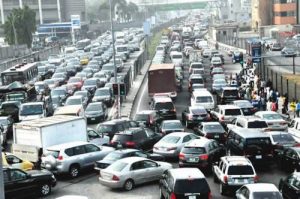
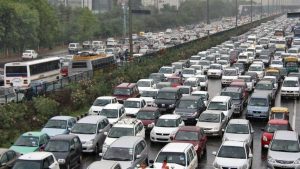
Every weekday morning, the story is the same. Major roads like Third Mainland Bridge, Ikorodu Road, Lekki-Epe Expressway, and Apapa routes are packed with vehicles. What should be a 20-minute journey can easily turn into a 2-hour wait. Workers arrive late, students miss classes, and business owners lose valuable time. For many people, traffic has become one of the most stressful parts of living in Lagos.
Why Lagos Traffic Keeps Getting Worse
One of the biggest reasons for Lagos traffic is population growth. Lagos is one of the fastest-growing cities in Africa. Every year, thousands of people move into the city in search of jobs, education, and better living conditions. While the population keeps increasing, the roads remain almost the same. Many of the roads were built decades ago and were not designed to carry the number of vehicles they now handle daily.
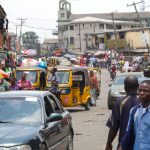
Another major issue is the heavy dependence on road transport. In Lagos, most people rely on cars, buses, motorcycles, and tricycles to move around. Rail transport and water transport exist, but they are still limited and not fully accessible to everyone. As a result, almost all movement happens on the road, putting too much pressure on the road network, especially during rush hours.
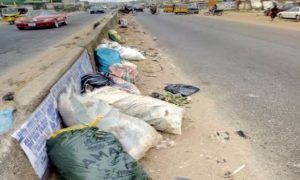
Poor road conditions also make traffic worse. Potholes, bad drainage, road repairs, and flooding during the rainy season often reduce the number of usable lanes. When one lane is blocked, traffic slows down immediately. Broken-down vehicles left on the road for hours can also cause long traffic queues. In some areas, illegal parking and roadside trading take up road space that should be free for vehicles.
Traffic management is another challenge. Although traffic officers and traffic lights are present in many parts of the city, poor enforcement of traffic rules remains a problem. Some drivers ignore traffic lights, drive against traffic, or make illegal U-turns. These actions often lead to accidents and serious traffic jams that affect thousands of people.
Lagos Traffic
How Traffic Affects Daily Life in Lagos
The effects of Lagos traffic go far beyond being late. Time wasted in traffic means money lost. Workers spend more on fuel and transport fares. Businesses pay more to move goods, and these extra costs are often added to the prices of products and services.
Traffic also affects health. Spending long hours in traffic exposes people to exhaust fumes, which can cause breathing problems and other health issues. Sitting for hours in one position can also lead to body pain and fatigue. Mentally, constant traffic stress causes anger, frustration, and tiredness, reducing productivity both at work and at home.
What Can Be Done to Reduce Lagos Traffic?
Although Lagos traffic is a serious problem, it is not impossible to fix. One important solution is improving public transportation. The Lagos Blue Line and Red Line rail projects are good steps in the right direction. When fully completed and well managed, they can reduce the number of cars on the road. Water transport can also help, especially in riverine and coastal areas.
Better road maintenance is also essential. Fixing potholes quickly, improving drainage, and removing broken-down vehicles on time can keep traffic flowing. Stronger traffic enforcement will also make a big difference. When drivers obey traffic rules, roads become safer and movement becomes smoother.
Finally, flexible work schedules and remote work can help reduce traffic during peak hours. If fewer people are on the road at the same time, congestion will reduce naturally.
Final Thoughts
Lagos traffic may not disappear overnight, but it can be managed. With proper planning, better infrastructure, and cooperation between the government and residents, commuting in Lagos can become less stressful. Until then, patience and smart travel planning remain important tools for surviving life on Lagos roads.