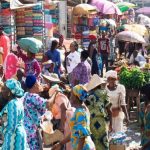
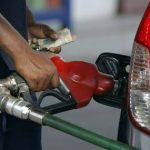
If you’ve walked into a market recently and wondered why the same basket of groceries now costs far more than it did a year ago, you’re certainly not alone. Across Lagos, Abuja, Port Harcourt, Kano, Ibadan, Enugu, and virtually every other part of Nigeria, households are feeling the pressure of rising prices.
Whether you’re buying a bag of rice, paying transport fares, renewing your rent, purchasing school supplies, or running a small business, inflation has become part of everyday conversation. Many Nigerians now find themselves adjusting shopping habits, reducing non-essential spending, or taking on additional sources of income just to keep up with the rising cost of living.
But what exactly is causing inflation in Nigeria? Is it simply because the naira has weakened? Is it the removal of fuel subsidy? Are food shortages to blame? Or are global economic factors also playing a significant role?
The reality is that Nigeria’s inflation crisis is being driven by several interconnected factors rather than one single issue. Understanding these causes can help individuals, families, entrepreneurs, and investors make smarter financial decisions.
In this guide, we’ll break down the biggest drivers of inflation in Nigeria, examine how they affect your everyday expenses, compare today’s situation with previous years, and share practical strategies that can help protect your finances.
What Is Inflation?
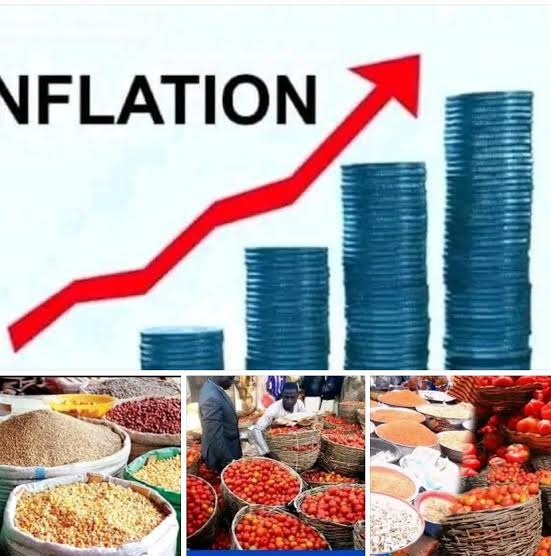
Inflation simply means a sustained increase in the general prices of goods and services over time. As prices rise, the purchasing power of your money falls.
For example, if ₦10,000 bought groceries for your family last year but now buys significantly fewer items, inflation has reduced the value of that money.
The National Bureau of Statistics (NBS) measures inflation using the Consumer Price Index (CPI), which tracks the prices of hundreds of commonly purchased goods and services across Nigeria.
Recent NBS reports continue to show that food inflation remains one of the largest contributors to overall inflation, reflecting higher prices for staple foods, transportation, and household necessities.
Nigeria Inflation Calculator
Use this calculator to estimate how inflation has affected the value of your money over time.
🧮 Nigeria Inflation Calculator
Find the 2026 equivalent of any past Nigerian amount using NBS inflation data
2026 Equivalent
Why Is Inflation So High in Nigeria?
Unlike some countries where inflation is mainly caused by excessive consumer spending, Nigeria’s inflation is largely driven by supply-side challenges. That means the cost of producing, transporting, and importing goods has increased dramatically.
Several major economic events over the past few years have combined to push prices upward, creating pressure on both businesses and households.
1. Naira Depreciation Has Made Imports More Expensive
One of the biggest reasons prices continue to rise is the depreciation of the naira.
Nigeria imports a significant amount of finished products and raw materials, including:
Medicines
Industrial equipment
Electronics
Vehicle parts
Machinery
Food ingredients
Agricultural chemicals
When the exchange rate weakens against the US dollar, importers need more naira to buy the same products abroad.
For example, imagine an importer buying equipment worth $10,000.
If the exchange rate is ₦800/$, the cost is ₦8 million.
If the exchange rate rises to ₦1,600/$, exactly the same equipment now costs ₦16 million before shipping and customs charges.
Businesses rarely absorb these additional costs themselves. Instead, they pass them on to consumers through higher prices.
This explains why imported foods, smartphones, laptops, vehicles, pharmaceuticals, and many locally manufactured products have all become significantly more expensive.
2. Fuel Subsidy Removal Increased Business Costs
The removal of petrol subsidy fundamentally changed Nigeria’s cost structure.
Petrol prices increased sharply after the subsidy ended, affecting nearly every sector of the economy because transportation is essential to moving goods from farms to markets and factories to consumers.
Higher fuel prices affect:
Commercial transportation
Food distribution
Delivery services
Manufacturing
Construction
Generator operating costs
Ride-hailing services
A tomato harvested in Kaduna, for example, may travel hundreds of kilometres before reaching consumers in Lagos. Higher diesel and petrol prices increase transport expenses, which are reflected in the final market price.
Small businesses also spend more on powering generators because electricity supply remains inconsistent in many communities.
3. Electricity Costs Continue to Rise
Electricity has become another major contributor to inflation.
Following tariff adjustments by electricity distribution companies under the supervision of the Nigerian Electricity Regulatory Commission (NERC), many businesses now pay considerably more for power, particularly customers under higher service bands.
Manufacturers often rely on both grid electricity and diesel generators, meaning energy costs have increased substantially.
These higher production costs eventually show up in:
Bakery products
Pure water
Restaurant meals
Cold room storage
Manufactured goods
Printing services
Consumers ultimately bear much of these additional costs.
4. Food Inflation Remains the Biggest Challenge
Food accounts for a significant portion of household spending in Nigeria, making food inflation particularly painful for low- and middle-income families.
Several issues have reduced food supply in recent years:
Flooding in major farming areas
Insecurity affecting agricultural communities
High fertiliser prices
Increased transportation costs
Storage and post-harvest losses
Climate-related disruptions
Staple foods including rice, beans, yam, garri, tomatoes, pepper, onions, and vegetable oil have experienced substantial price increases in many markets.
A household that previously spent ₦50,000 monthly on groceries may now require well above ₦90,000 depending on location and family size.
5. High Interest Rates and Their Mixed Effects
The Central Bank of Nigeria (CBN) has repeatedly increased the Monetary Policy Rate (MPR) in an effort to slow inflation.
Higher interest rates generally make borrowing more expensive, reducing spending and helping control inflation over time.
However, businesses that depend on bank loans also face higher financing costs.
A manufacturer paying higher loan interest may increase product prices to maintain profitability, creating additional short-term inflationary pressure even while monetary policy is attempting to stabilise prices.
How Inflation Affects Everyday Nigerians
Inflation is more than an economic statistic—it directly affects everyday life.
Workers whose salaries remain unchanged lose purchasing power each month. Pensioners face increasing difficulty covering healthcare costs. Students pay more for accommodation, textbooks, transport, and food. Small business owners struggle with rising operating expenses, while consumers continuously adjust their budgets to cope with higher prices.
The impact is especially noticeable in urban centres such as Lagos and Abuja, where housing, transportation, and utility costs have risen considerably.
For families living on fixed monthly incomes, inflation often means making difficult choices between savings, education, healthcare, and household necessities.
How Inflation Has Changed Over the Years
Nigeria has experienced inflation at different levels over the past decade, but the pace of price increases accelerated significantly following the COVID-19 pandemic, foreign exchange shortages, fuel subsidy removal, and exchange rate reforms.
Year
Major Inflation Driver
Impact on Nigerians
2015–2016
Oil price crash and foreign exchange restrictions
Higher prices for imported goods
2020
COVID-19 pandemic
Supply chain disruptions and food shortages
2022
Global energy and food crisis
Higher transport and food costs
2023
Fuel subsidy removal and exchange rate reforms
Sharp increases in petrol, transport and electricity costs
2024–2026
Naira depreciation, food inflation and energy costs
Continued pressure on household budgets and businesses
Who Is Hit Hardest by Inflation?
Although inflation affects everyone, some groups feel its impact more than others.
Salary earners whose wages do not increase regularly.
Pensioners living on fixed monthly income.
Small businesses facing higher operating costs.
Farmers paying more for fertiliser and transportation.
Students dealing with higher accommodation and feeding expenses.
Low-income households that spend most of their income on food.
For example, a family in Lagos paying over ₦2 million annually for rent faces a different inflation challenge from a rural farming household in Benue State, where food production may be higher but transport costs remain a major burden.
Can Inflation Be Controlled?
Yes, but reducing inflation requires coordinated action from several institutions rather than relying on a single policy.
The Central Bank of Nigeria (CBN) uses monetary policy, including interest rate adjustments and liquidity management, to reduce inflationary pressure. Meanwhile, the Federal Government focuses on fiscal policies such as improving food production, investing in infrastructure, stabilising foreign exchange markets, and supporting local manufacturing.
Long-term improvements also depend on:
Better electricity supply.
Improved road and rail transportation.
Greater domestic refining capacity.
Improved security in farming communities.
Higher agricultural productivity.
Increased local manufacturing.
What Can You Do to Protect Yourself Against Inflation?
While individuals cannot control inflation, they can reduce its impact through smart financial decisions.
Create a realistic monthly budget. Track your income and expenses to identify areas where you can reduce unnecessary spending.
Build an emergency fund. Aim to save at least three to six months’ worth of essential expenses if possible.
Buy food staples in bulk. Purchasing rice, beans, garri and cooking essentials in larger quantities can help reduce costs over time.
Develop additional income sources. Freelancing, online work, farming, consulting or small businesses can provide extra income that keeps pace with rising prices.
Invest wisely. Depending on your financial goals and risk tolerance, consider investments that have the potential to outperform inflation over the long term.
Reduce unnecessary debt. Rising interest rates make borrowing more expensive.
Nigerian Budget Planner
Create a practical monthly budget and see how rising prices affect your spending so you can plan your finances more effectively.
🧾 Nigerian Budget Planner
50/30/20 rule adapted for Nigerian living costs — with overspending alerts
How Businesses Are Responding to Inflation
Many Nigerian businesses have adopted different strategies to survive rising costs.
Reducing package sizes while maintaining prices.
Sourcing more raw materials locally.
Increasing automation where possible.
Passing part of the additional costs to customers.
Improving operational efficiency.
Small and medium-sized enterprises (SMEs), which make up a significant share of Nigeria’s economy, continue to face challenges from high borrowing costs, expensive energy, and weaker consumer purchasing power.
Will Prices Ever Come Down?
Many Nigerians hope prices will return to previous levels. In reality, inflation usually slows before prices begin to stabilise. This means prices may continue increasing but at a slower pace rather than falling significantly.
Meaningful reductions in inflation will depend on improved exchange rate stability, stronger agricultural output, lower transportation costs, better electricity supply, and sustained economic reforms.
Key Takeaways
Inflation reduces the purchasing power of the naira.
Naira depreciation has made imports significantly more expensive.
Fuel subsidy removal increased transportation and production costs.
Food inflation remains the largest contributor to higher living costs.
Electricity and energy costs continue to affect businesses and households.
Smart budgeting, savings and diversified income sources can help families cope with rising prices.
Conclusion
Nigeria’s inflation crisis is the result of several interconnected economic challenges rather than a single event. Exchange rate volatility, higher fuel prices, food supply constraints, electricity costs, insecurity in farming communities, and global economic pressures have all contributed to the rising cost of living.
Although government policies can help slow inflation over time, households and businesses must also adapt by budgeting carefully, reducing unnecessary expenses, increasing productivity, and exploring additional sources of income. Understanding the real causes of inflation is the first step toward making informed financial decisions in an economy where prices continue to change rapidly.
Frequently Asked Questions
Why is inflation so high in Nigeria?
Inflation is mainly driven by naira depreciation, higher fuel prices, food supply shortages, increased transportation costs, electricity tariffs, and global economic pressures.
What is the biggest cause of food inflation in Nigeria?
Food inflation is influenced by insecurity in farming communities, flooding, high transportation costs, expensive fertilisers, and post-harvest losses.
Does the dollar exchange rate affect prices in Nigeria?
Yes. Since Nigeria imports many finished goods and production inputs, a weaker naira increases import costs, which businesses usually pass on to consumers.
How can I protect my money from inflation?
Create a budget, save consistently, reduce unnecessary debt, build multiple income streams, and consider investments that can potentially outperform inflation over the long term.
Will inflation reduce in Nigeria?
Inflation can decline if exchange rates become more stable, agricultural production improves, energy costs moderate, and economic reforms strengthen productivity. However, reducing inflation usually takes time.
For more practical tools to manage your finances and stay informed, explore the full Reality Gist Digital Tools Hub.
Emmanuel Benson is a Nigerian journalist and digital media writer with a keen interest in politics, economy, and everyday life across Nigeria and Africa. Based in Lagos, he covers breaking news, policy developments, and the stories that shape how Nigerians live and work.