Many Nigerians worry about their weight, but it can be difficult to know what is actually healthy. Between busy schedules in Lagos, long commutes in Abuja, and the temptation of delicious local meals, maintaining a healthy weight is not always easy. Understanding a healthy weight for Nigerians can help reduce the risk of health problems such as high blood pressure, diabetes, and heart disease.
The good news is that you don’t need expensive diets or imported foods to stay healthy. By understanding BMI, making smarter food choices, and paying attention to warning signs, you can achieve a weight that supports long-term wellbeing.
What Does a Healthy Weight Mean?
A healthy weight is generally a body weight that lowers your risk of developing health conditions while allowing your body to function properly. One of the most common ways to estimate this is through the Body Mass Index (BMI).
BMI compares your weight to your height and places you into categories such as underweight, healthy weight, overweight, or obese. While BMI is not perfect, it provides a useful starting point for most adults.
Many people searching for an ideal weight for height Nigeria often discover that healthy weight ranges vary depending on height, body structure, age, and muscle mass. BMI should therefore be used as a guide rather than an absolute diagnosis.
Understanding BMI for Adults
A typical BMI chart for adults places people into these categories:
Underweight: BMI below 18.5
Healthy weight: BMI between 18.5 and 24.9
Overweight: BMI between 25 and 29.9
Obesity: BMI of 30 or above
For example, two people may weigh the same amount but have different BMI values because of differences in height. This is why height matters when assessing whether your weight falls within a healthy range.
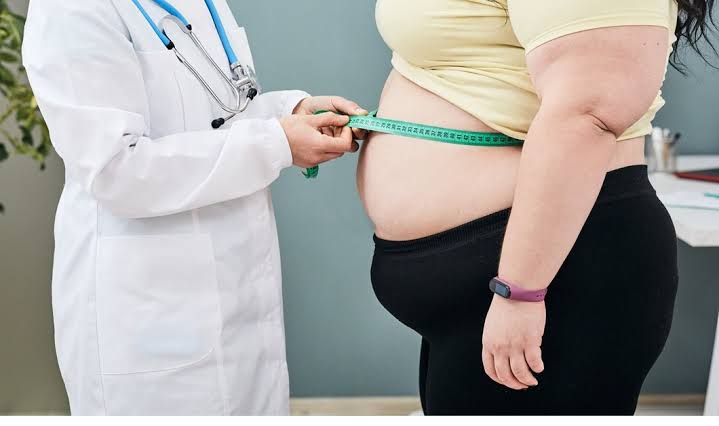
Signs You May Be Overweight
Weight gain can happen gradually, making it easy to overlook. Some common signs of being overweight include:
Getting tired more quickly during everyday activities
Difficulty fitting into clothes that previously fit comfortably
Shortness of breath when climbing stairs
Increased waist size
Joint discomfort, especially in the knees and lower back
Frequent snoring or poor sleep quality
These signs do not automatically mean someone is unhealthy, but they can indicate that excess weight is putting extra strain on the body.
Many Nigerians notice these changes after years of sedentary office work, frequent use of ride-hailing services, and reduced physical activity. Paying attention to these early warning signs can help prevent more serious health issues later.
How Nigerian Diets Affect Weight and Blood Pressure
Nigerian food is rich, satisfying, and diverse. The challenge is not necessarily the food itself but portion sizes, cooking methods, and frequency of consumption.
Meals such as pounded yam, eba, amala, rice, and noodles can fit into a healthy diet when eaten in moderation. Problems often arise when portions become too large or are regularly paired with high-fat soups and sugary drinks.
There are also several foods that cause hypertension in Nigeria when consumed excessively. These include heavily salted processed foods, instant noodles with seasoning packets, processed meats, deep-fried snacks, and foods containing large amounts of sodium.
People who frequently consume soft drinks, energy drinks, and highly processed snacks may also increase their risk of weight gain and elevated blood pressure over time.
A healthier approach includes:
Eating more vegetables and fruits
Choosing grilled, boiled, or baked foods more often
Reducing excess salt in cooking
Drinking more water instead of sugary beverages
Balancing carbohydrate-heavy meals with protein and vegetables
How to Lose Weight Eating Nigerian Food
One of the biggest misconceptions is that weight loss requires abandoning local meals. In reality, learning how to lose weight eating Nigerian food is often more sustainable than following restrictive foreign diet trends.
You can still enjoy your favourite meals while managing your weight by making a few practical adjustments.
Reduce swallow portion sizes and increase vegetable intake.
Choose lean proteins such as fish, chicken, turkey, and beans.
Limit sugary drinks and alcohol.
Avoid late-night overeating.
Stay physically active through walking, jogging, dancing, or sports.
Prepare more meals at home instead of relying heavily on fast food.
Even simple habits such as taking evening walks around your neighbourhood or using the stairs instead of elevators can contribute to gradual and sustainable weight loss.
The key is consistency. Small changes maintained for months are usually more effective than extreme diets that are difficult to sustain.
Why Maintaining a Healthy Weight Matters for Hypertension Risk
Hypertension, commonly known as high blood pressure, is increasingly common among Nigerian adults. Excess body weight can force the heart to work harder, increasing strain on blood vessels over time.
Maintaining a healthy weight may help reduce blood pressure, improve energy levels, support better sleep, and lower the risk of developing cardiovascular disease.
Regular monitoring is also important. If you have a family history of hypertension, diabetes, or heart disease, paying attention to your weight and waist size can be an important part of protecting your long-term health.
Fortunately, you don’t need expensive gym memberships costing tens of thousands of Naira each month to make progress. Healthy eating, daily movement, and awareness of your BMI can go a long way.
If you’re unsure whether your current weight falls within a healthy range, using a BMI calculator can provide a quick estimate and help you understand where you stand. It’s a simple first step toward making informed decisions about your health.
Frequently Asked Questions
Is BMI accurate for all Nigerians?
BMI is a useful screening tool, but it does not account for muscle mass, body composition, or individual differences. It should be used as a guide alongside other health indicators.
Can I lose weight without giving up Nigerian food?
Yes. Portion control, healthier cooking methods, and balanced meals can help you lose weight while still enjoying local dishes.
What is the best way to reduce hypertension risk?
Maintaining a healthy weight, exercising regularly, limiting excess salt intake, avoiding smoking, and attending regular health check-ups can all help lower your risk.
Try it yourself: Use our free BMI Calculator to instantly check your healthy weight range and understand your health status — BMI Calculator →
Emmanuel Benson is a Nigerian journalist and digital media writer with a keen interest in politics, economy, and everyday life across Nigeria and Africa. Based in Lagos, he covers breaking news, policy developments, and the stories that shape how Nigerians live and work.