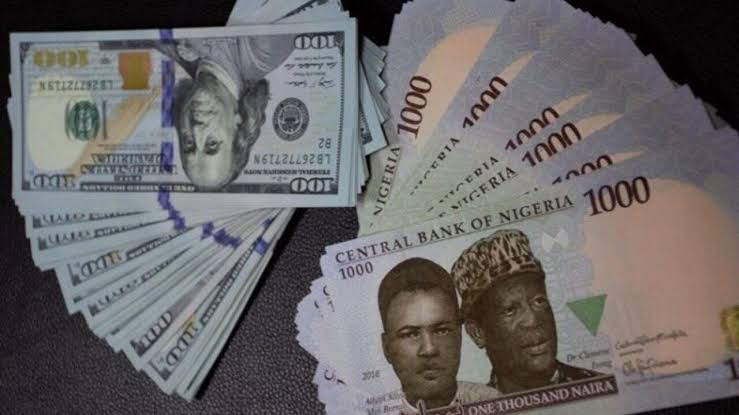
If you’ve checked the Dollar to Naira Today: How to Track the Exchange Rate and What’s Driving the Changes and noticed it looks different from what you saw a few days ago, you’re not alone. Exchange rates have become a daily talking point for Nigerians, affecting everything from imported goods and online subscriptions to travel plans and business transactions.
Whether you’re a student paying foreign tuition, a business owner importing products into Lagos, or simply trying to understand why prices keep changing, knowing how to track the dollar-to-naira exchange rate can help you make smarter financial decisions.
Why the Dollar to Naira Exchange Rate Matters
The value of the naira against the US dollar affects many aspects of everyday life in Nigeria. When the naira weakens, the cost of imported goods often rises. This can impact the prices of electronics, vehicles, food items, pharmaceuticals, and even some locally sold products that rely on imported materials.
For example, a trader in Lagos importing smartphones or a fashion retailer in Abuja sourcing products from overseas may face higher costs when the exchange rate moves against the naira. These additional costs are often passed on to consumers.
The exchange rate also matters for:
International travel expenses
Foreign school fees and examination payments
Online subscriptions and software purchases
Import and export businesses
Remittances from family members abroad
Foreign investments and savings
Because of this wide-reaching impact, many Nigerians monitor the dollar to naira rate today before making major financial decisions.
How to Track the Dollar to Naira Rate Accurately
With exchange rates changing regularly, it’s important to use reliable sources when checking currency values. Many people rely on social media posts or WhatsApp broadcasts, but these may not always reflect current market conditions.
To stay informed, consider checking:
Official banking platforms
Licensed financial service providers
Currency conversion tools
Foreign exchange monitoring websites
Reputable financial news sources
Using multiple sources can provide a clearer picture of market trends and help you avoid relying on outdated information.
Official Rate vs Parallel Market Rate
One topic that frequently causes confusion is the difference between the official exchange rate and rates available in the parallel market.
The discussion around black market rate vs official rate Nigeria often arises because the two rates can differ significantly depending on market conditions and foreign currency availability.
The official rate is typically associated with regulated foreign exchange transactions, while the parallel market rate reflects prices determined by supply and demand outside official channels. Understanding this distinction can help individuals and businesses better interpret exchange rate reports they see online.
What Is Driving Changes in the Naira’s Value?
Many Nigerians ask the same question whenever exchange rates rise sharply: why is naira falling?
The answer is usually a combination of several economic factors rather than a single event. Exchange rates move based on supply and demand for foreign currency, government policies, market confidence, and broader global economic conditions.
Some of the common factors that influence the naira include:
Foreign exchange supply levels
Oil export earnings
Demand for imported goods and services
Investor confidence
Monetary and fiscal policies
Global economic developments
When demand for dollars exceeds available supply, pressure can build on the naira. Similarly, changes in international commodity markets or shifts in investor sentiment may affect currency movements.
It’s important to remember that exchange rates can move in both directions. While much attention focuses on periods of depreciation, market conditions can also support periods of stability or appreciation.
Other Foreign Currencies Nigerians Commonly Track
Although the US dollar receives the most attention, many Nigerians also monitor other major currencies for business, education, and travel purposes.
For instance, students applying to universities in the United Kingdom often search for pounds to naira today to estimate tuition and living expenses. Businesses importing goods from Europe may also watch euro exchange rates closely.
Tracking multiple currencies can be useful if you:
Plan to study abroad
Travel internationally
Receive payments from overseas clients
Import products from foreign suppliers
Manage investments denominated in foreign currencies
Monitoring these rates regularly can help you identify trends and potentially time transactions more effectively.
How Exchange Rates Affect Sending Money Abroad
Exchange rate fluctuations can significantly affect the cost of international transfers. Whether you’re paying school fees, supporting family members overseas, or handling business payments, the rate you receive matters.
Many people searching for the best send money abroad from Nigeria rate want to maximize the value of their transactions. Even small differences in exchange rates can have a noticeable impact when transferring larger amounts.
Before initiating an international transfer, it is often wise to compare rates, fees, and processing times across different providers. Looking at the complete cost rather than focusing only on the advertised exchange rate can help you make a more informed choice.
If you regularly track foreign exchange movements, using a dedicated currency conversion tool can save time and provide quick estimates. Instead of manually calculating conversions whenever rates change, a currency converter allows you to instantly see how much your naira is worth in dollars, pounds, and other major currencies.
Frequently Asked Questions
Why does the dollar-to-naira exchange rate change so often?
Exchange rates fluctuate because of changes in foreign currency demand, supply levels, economic policies, investor sentiment, and global market conditions.
Should I rely only on social media for exchange rate information?
It is generally better to verify rates using reputable financial platforms, banks, or currency conversion tools, as social media information may be outdated or inaccurate.
What’s the difference between official and parallel market rates?
The official rate is associated with regulated foreign exchange transactions, while parallel market rates are determined largely by market demand and supply outside official channels.
Try it yourself: Use our free Dollar to Naira Converter to instantly convert currencies and track exchange values — Dollar to Naira Converter →
Emmanuel Benson is a Nigerian journalist and digital media writer with a keen interest in politics, economy, and everyday life across Nigeria and Africa. Based in Lagos, he covers breaking news, policy developments, and the stories that shape how Nigerians live and work.