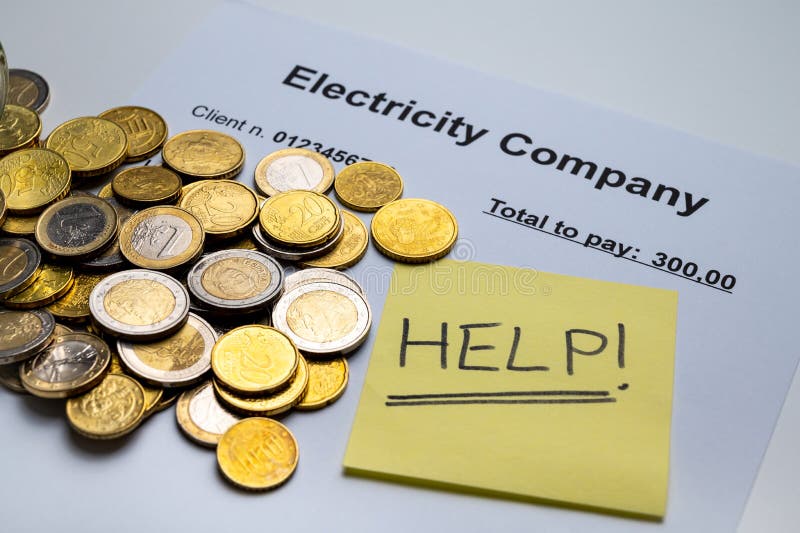
Have you ever checked your electricity bill and wondered, “Why is my NEPA bill so high?” You are not alone. Across Nigeria, many households and small businesses are struggling to understand rising electricity costs, especially with changing tariff structures and different service bands. Knowing how your DisCo calculates charges can help you manage your consumption and avoid surprises.
Whether you live in Lagos, Abuja, Port Harcourt, or anywhere else in Nigeria, understanding your tariff category is one of the first steps to controlling your monthly electricity expenses. This guide explains the basics of DisCo tariffs, how to estimate your bill, and the appliances that consume the most power in a typical Nigerian home.
Understanding DisCo Tariffs in Nigeria
Electricity distribution companies (DisCos) charge customers based on approved tariff structures. While rates may vary slightly depending on your location and service category, customers are generally grouped according to the quality and quantity of electricity supplied to them.
The commonly referenced categories include R1, R2, R3, and R4 customer classes. These classifications help determine how electricity is billed.
R1: Residential customers with very low electricity consumption.
R2: Standard residential households, which make up a large percentage of Nigerian homes.
R3: Residential customers with higher energy demand and larger installations.
R4: Special residential users with heavy electricity requirements.
Beyond these categories, many Nigerians also hear about service bands such as Band A, Band B, Band C, and others. These bands are linked to the estimated hours of electricity supply provided daily. Areas receiving more hours of electricity generally attract higher tariffs.
This is one reason your neighbour may pay significantly more or less than you, even when living in the same city.
DisCo Tariff Bands Explained
One of the most important aspects of understanding your electricity bill is knowing your service band. The phrase DisCo tariff bands explained has become increasingly popular because many consumers are trying to understand why charges differ from one area to another.
In simple terms, service bands are designed to reflect the level of electricity supply available in a location. Customers receiving longer daily power supply typically pay higher rates per unit of electricity consumed.
For example, a household in a Band A area in Lagos may receive significantly more hours of electricity than a customer in a lower service band. As a result, the cost per unit may be higher, even though the customer enjoys more consistent power.
If your monthly bill suddenly increases, it is worth checking whether your area’s service classification has changed or whether your electricity consumption has increased.
How to Calculate Your Electricity Bill in Nigeria
Many people searching for how to calculate electricity bill Nigeria are simply trying to understand where their money is going each month.
For prepaid meter users, the process is relatively straightforward. You buy electricity units, consume them, and recharge when the balance runs low.
Simple Bill Estimation Method
To estimate your electricity cost:
Identify the wattage of the appliance.
Convert watts to kilowatts by dividing by 1,000.
Multiply by the number of hours used daily.
Multiply by the number of days used monthly.
Multiply by your applicable tariff rate.
For example, a 100-watt television used for 8 hours daily consumes approximately 0.8 kilowatt-hours (kWh) per day. Over a month, this can add up significantly depending on your tariff category.
When multiple appliances are running simultaneously, total consumption rises quickly. Air conditioners, electric cookers, water heaters, and deep freezers are usually among the largest contributors to household electricity bills.
Prepaid Meter Units Calculation Made Easy
Understanding prepaid meter units calculation helps you predict how long your purchased units should last.
If you buy ₦10,000 worth of electricity, the number of units received depends on your tariff rate and any applicable charges. The meter deducts units based on your actual energy usage.
A useful habit is to monitor how quickly units disappear after using specific appliances. If your units reduce rapidly whenever the air conditioner is running, that appliance is likely consuming a large share of your electricity.
Keeping a simple record of meter readings and recharge dates can help you identify patterns and spot unusual increases in consumption.
Which Appliances Increase Electricity Bills the Most?
One reason many Nigerians are shocked by their monthly electricity spending is that they underestimate how much power some household appliances consume.
Here are some common high-consumption appliances:
Air conditioners
Electric water heaters
Electric cookers and ovens
Large refrigerators and deep freezers
Water pumping machines
Industrial pressing irons
Cheapest Appliances to Run in Nigeria
If you are looking for the cheapest appliances to run in Nigeria, energy-efficient devices are usually your best option.
LED light bulbs
Energy-saving fans
Modern LED televisions
Laptops instead of desktop computers
Rechargeable lamps
Energy-efficient refrigerators
Switching from traditional bulbs to LED lighting alone can noticeably reduce electricity consumption over time. Small changes such as turning off unused appliances and unplugging idle devices can also make a difference.
How to Reduce Your Monthly Electricity Costs
If your electricity expenses seem unusually high, start by tracking your daily consumption habits. Identify appliances that stay on for long periods and consider whether their usage can be reduced.
Using timers, energy-saving bulbs, inverter technology appliances, and smart usage schedules can help stretch prepaid units further. Regularly checking your meter readings also helps you spot potential issues before they become expensive.
If you are still unsure why your bill seems high, an electricity cost calculator can provide a clearer picture of how each appliance contributes to your monthly spending. By entering appliance wattage and estimated usage hours, you can get a realistic estimate before the bill arrives.
Frequently Asked Questions
Why does my prepaid meter finish units so quickly?
This is usually caused by high-power appliances such as air conditioners, water heaters, pumping machines, or old refrigerators that consume more electricity than expected.
Can two houses on the same street have different electricity bills?
Yes. Differences in appliance usage, household size, service band classification, and daily electricity consumption can result in very different monthly costs.
How can I estimate my monthly electricity expenses?
You can estimate your expenses by calculating the total energy consumed by your appliances and multiplying that figure by your applicable tariff rate.
Try it yourself: Use our free Electricity Bill Calculator to estimate your monthly power costs in minutes — Electricity Bill Calculator →
Emmanuel Benson is a Nigerian journalist and digital media writer with a keen interest in politics, economy, and everyday life across Nigeria and Africa. Based in Lagos, he covers breaking news, policy developments, and the stories that shape how Nigerians live and work.