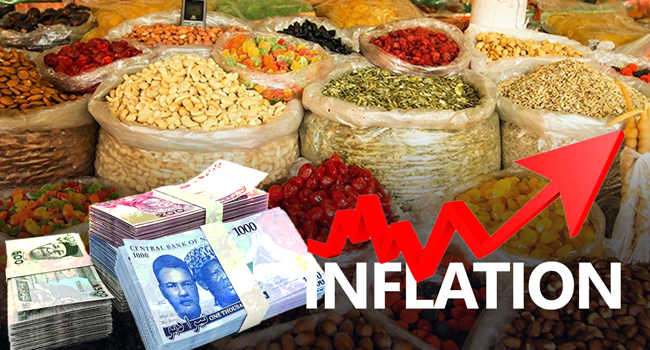
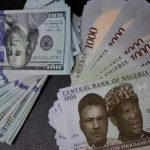
If you have ever looked back and wondered why ₦100,000 seemed like a lot of money in 2015 but feels very different today, you are not alone. Understanding How Much is ₦100,000 from 2015 Really Worth Today? Nigeria’s Inflation Explained can help you make sense of rising prices, shrinking purchasing power, and why many Nigerians feel their money no longer stretches as far as it used to.
From groceries in Lagos to rent in Abuja, the impact of inflation can be seen almost everywhere. While salaries may have increased for some people over the years, the cost of everyday goods and services has often risen even faster.
What Does Inflation Mean in Simple Terms?
Inflation is the gradual increase in the prices of goods and services over time. When inflation rises, the same amount of money buys fewer things than it did before. This is why a basket of groceries that cost ₦10,000 years ago may now cost significantly more.
Think about a typical Nigerian household. In 2015, ₦100,000 could cover a wider range of expenses, including food, transportation, school-related costs, and even some savings. Today, that same amount may be consumed much faster due to higher prices across many sectors.
This decline in purchasing power is one of the clearest examples of how the naira value over time changes as inflation affects the economy.
Why Does ₦100,000 Feel Different Today?
The answer comes down to purchasing power. Money itself has not changed in appearance, but what it can buy has changed significantly.
Over the years, Nigerians have experienced increases in:
Food prices
Transportation costs
House rent
School fees
Electricity and utility expenses
Healthcare costs
Fuel and energy-related expenses
When prices rise across multiple areas of daily life, households need more money to maintain the same standard of living. That is why many people feel that ₦100,000 today does not provide the same comfort or flexibility it once did.
The question is not whether ₦100,000 still has value—it certainly does. The real issue is that its purchasing power has been reduced by years of inflation.
Looking Back: What ₦50,000 Could Buy in 2015
One of the easiest ways to understand inflation is to compare everyday spending habits.
When discussing what ₦50000 could buy in 2015, many Nigerians remember being able to cover several household needs with that amount. Depending on location and lifestyle, it could contribute meaningfully toward monthly rent, stock a family’s kitchen with food items, cover transportation for weeks, or handle school-related expenses.
Today, many of those same purchases require a much larger budget. While prices vary from city to city, the overall trend is clear: the purchasing power of the naira has weakened over time.
Everyday Examples Nigerians Can Relate To
Imagine someone living in Lagos in 2015. A trip to the market with ₦20,000 could fill multiple shopping bags with staple foods such as rice, beans, tomatoes, and cooking oil.
Fast-forward to today, and many shoppers notice that the same amount buys considerably less. Similar experiences can be seen in transportation costs, restaurant meals, and household essentials.
These changes are why conversations about inflation often feel personal. People do not just see inflation in economic reports—they experience it every time they spend money.
What Drives Inflation in Nigeria?
There is no single cause of inflation. Instead, several factors often work together to push prices higher.
Changes in exchange rates that affect imported goods
Higher transportation and logistics costs
Increases in fuel prices
Supply chain disruptions
Agricultural challenges affecting food production
Growing demand for goods and services
Because Nigeria relies on both local production and imported products, changes in global markets can also affect prices at home. This is one reason many people ask, why is everything expensive in Nigeria whenever they visit markets, supermarkets, or filling stations.
The answer is often a combination of domestic economic conditions and international factors that influence production, transportation, and supply.
Understanding Inflation Data and Historical Trends
Economists and policymakers track inflation through official reports and consumer price measurements. One of the key sources Nigerians often refer to is the NBS inflation rate history, which provides insights into how prices have changed across different periods.
While the exact figures vary from year to year, the long-term trend shows that the cost of many goods and services has generally increased over the past decade. This helps explain why older salaries, savings targets, and budgets often seem unrealistic when compared with current prices.
For individuals and businesses, understanding inflation is important because it influences financial planning, investment decisions, salary expectations, and household budgeting.
How Inflation Affects the Cost of Living
The relationship between inflation and the cost of living Nigeria 2026 is impossible to ignore. Whether you are a student, salary earner, entrepreneur, or retiree, rising prices affect daily decisions.
Many families have had to adjust spending habits by prioritizing necessities, reducing discretionary expenses, and searching for better ways to manage their finances. Businesses also face higher operating costs, which can sometimes lead to higher prices for consumers.
This is why comparing historical amounts like ₦100,000 from 2015 with their present-day purchasing power can be so useful. It provides a clearer picture of how economic changes affect everyday life.
If you are curious about how inflation has affected your own money over the years, using an inflation calculator can make the comparison much easier. Instead of guessing, you can estimate how much a past amount would need to be today to maintain similar purchasing power.
Frequently Asked Questions
Is ₦100,000 from 2015 worth the same amount today?
No. Due to inflation, ₦100,000 today generally buys fewer goods and services than it did in 2015. Its purchasing power has decreased over time as prices have risen.
Why has the naira lost purchasing power over the years?
Purchasing power declines when inflation causes prices to increase faster than income growth. Factors such as exchange rate movements, fuel costs, and supply challenges can contribute to this process.
How can I calculate the present value of old amounts of money?
You can use an inflation calculator to compare historical amounts with current purchasing power. This helps estimate how much money would be needed today to buy a similar basket of goods and services.
Try it yourself: Use our free Naira Inflation Calculator to see how much your money’s purchasing power has changed over time — Naira Inflation Calculator →
Emmanuel Benson is a Nigerian journalist and digital media writer with a keen interest in politics, economy, and everyday life across Nigeria and Africa. Based in Lagos, he covers breaking news, policy developments, and the stories that shape how Nigerians live and work.