Have you ever wondered why Nigeria keeps borrowing money even though the country earns billions of naira from taxes, oil, and other sources? Understanding Nigeria’s budget deficit problem can help you make sense of government borrowing, rising public debt, and the economic decisions that affect everyday life. Here’s a simple breakdown of who lends Nigeria money, why those loans happen, and what they mean for ordinary Nigerians.
What Is Nigeria’s Budget Deficit?
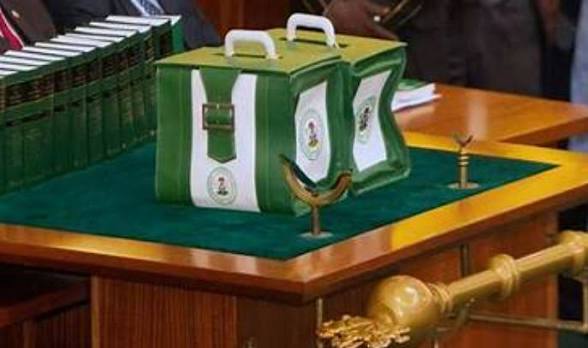
A budget deficit happens when a government plans to spend more money than it expects to earn during a financial year. Every country prepares a budget that estimates income from taxes, oil revenue, customs duties, and other sources, then compares that income with planned spending on roads, healthcare, education, salaries, security, and infrastructure.
When expected spending is greater than expected income, a funding gap appears. That gap is known as a deficit, and governments usually fill it by borrowing money or finding other financing options.
For Nigeria, this challenge has become familiar over the years. Population growth, infrastructure needs, security spending, and fluctuations in oil prices often put pressure on government finances. At the same time, revenue collection has not always grown at the same pace as spending requirements.
Who Keeps Lending Nigeria Money?
When people hear about Nigeria debt, they often imagine one single lender. In reality, Nigeria borrows from several different sources.
Local investors: The Federal Government regularly raises money by selling Treasury Bills and FGN Bonds. Nigerian banks, pension funds, insurance companies, and individual investors buy these securities.
International financial institutions: Development lenders may provide loans that support infrastructure, education, healthcare, or economic reforms.
Foreign governments and export credit agencies: Some countries provide financing tied to development projects or major infrastructure investments.
International capital markets: Nigeria may also raise funds from global investors by issuing sovereign bonds when market conditions are favourable.
Each lender has different conditions, repayment periods, and interest costs. Governments usually try to balance domestic and external borrowing so they can finance important projects without relying too heavily on one source.
Why Doesn’t the Government Simply Spend Less?
Reducing spending sounds simple, but it is rarely easy in practice. Many government expenses are essential and difficult to cut overnight.
For example, teachers, healthcare workers, police officers, and civil servants must be paid. Roads require maintenance, hospitals need equipment, and schools require funding. Large infrastructure projects in cities like Lagos, Abuja, and across the country also demand significant investment.
Another challenge is that government income can fluctuate. Oil revenue, which has historically contributed significantly to public finances, changes with global prices and production levels. When earnings fall unexpectedly, the difference between income and planned spending can widen.
The Role of Revenue Allocation
Another important factor is revenue allocation. Money collected by the Federal Government is shared among federal, state, and local governments according to established formulas. This system helps ensure that every part of the country receives funding for essential services.
However, if overall government revenue falls, every level of government can feel the impact. States may delay projects, while the Federal Government may need additional financing to maintain planned spending. Improving tax collection, encouraging economic growth, and expanding non-oil revenue are often suggested as ways to reduce future borrowing.
Is Borrowing Always a Bad Thing?
Not necessarily. Borrowing can be beneficial when the money is invested wisely.
Imagine taking a loan to build a profitable business that generates enough income to repay the loan and still earn a profit. Governments use similar thinking when they borrow for projects that improve transportation, electricity, education, healthcare, or digital infrastructure. If these investments strengthen the economy, they can increase future revenue and improve living standards.
The real concern is whether borrowed funds are managed efficiently and whether repayments remain affordable over time. If too much government income goes toward servicing loans instead of funding public services, economic pressure can increase.
This is why discussions about the national debt of Nigeria often focus not only on how much is owed but also on how effectively borrowed money is used and whether borrowing remains sustainable.
Why Should Ordinary Nigerians Care?
Government borrowing may sound like something that only economists discuss, but it has real-life effects on families and businesses.
It can influence inflation and the overall cost of living.
Interest rates may affect business loans and mortgages.
Government spending decisions can impact roads, schools, hospitals, and other public services.
Future taxpayers ultimately help repay public borrowing through government revenue.
Understanding the difference between a healthy budget balance and a persistent deficit also helps citizens better evaluate economic policies and public spending decisions. A balanced budget means income matches expenditure, while a deficit means additional financing is needed.
At the same time, it’s important to remember that borrowing itself is not automatically a sign of economic trouble. Many successful economies borrow regularly. What matters most is how responsibly the money is used, whether projects deliver lasting value, and whether debt remains manageable over the long term.
If you’re trying to understand government finances, it helps to see how different borrowing levels affect spending and repayments. Using an interactive calculator makes these concepts much easier to grasp than reading numbers in a budget document.
Frequently Asked Questions
Why does Nigeria borrow instead of printing more money?
Printing large amounts of money without corresponding economic growth can fuel inflation and reduce the value of the naira. Borrowing is generally considered a more controlled way of financing government needs, although it also creates repayment obligations.
Can Nigeria eliminate its budget deficit completely?
Yes, it is possible, but it would require a combination of stronger government revenue, efficient spending, economic growth, and careful fiscal planning. Many countries alternate between deficits and surpluses depending on economic conditions.
Does every budget deficit increase Nigeria’s debt?
In many cases, yes. If a deficit is financed through borrowing, outstanding public debt increases. However, governments may also use savings or other financing methods where available, depending on fiscal circumstances.
Emmanuel Benson is a Nigerian journalist and digital media writer with a keen interest in politics, economy, and everyday life across Nigeria and Africa. Based in Lagos, he covers breaking news, policy developments, and the stories that shape how Nigerians live and work.